
The Decline of the Servant Era in Edwardian Britain

For centuries, great houses in Britain depended on armies of servants. From butlers and housekeepers to scullery maids and hall boys, life “below stairs” was as structured and demanding as life above. But by the 1920s, this world was already fading. The Edwardian period marked the last great age of service, as war, technology, and shifting social values reshaped British society.
To understand the structure that once existed, begin with Life Below Stairs: The Servant Hierarchy in the Edwardian Era.
The Impact of the First World War
The First World War was a turning point for domestic service:
- Manpower shortages: Many male servants enlisted, and few returned to service afterward.
- New opportunities for women: Women entered factories, offices, and nursing, discovering independence and wages beyond domestic labor.
- Changing priorities: The grandeur of aristocratic life seemed out of step with a world scarred by loss.
The war disrupted traditions that had been in place for centuries, and country houses could no longer rely on abundant cheap labor.
Social Change and Shifting Attitudes
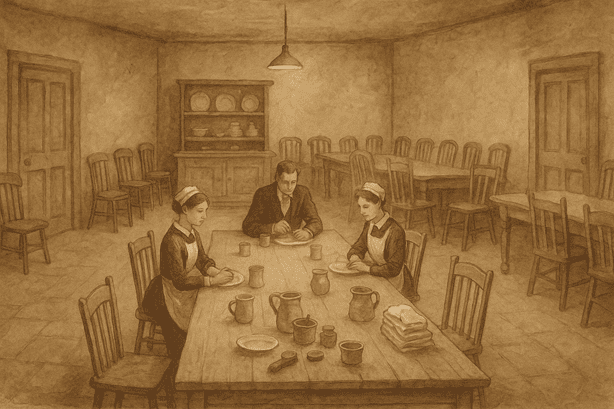
By the 1920s and 1930s, younger generations no longer aspired to service. Instead:
- Education opened new careers in shops, clerical offices, and teaching.
- Urban migration drew young people to towns and cities with greater freedom.
- Class boundaries weakened, as ideas of equality and personal independence gained strength.
Service began to feel outdated, and recruiting domestic staff became increasingly difficult, even for wealthy families.
Many of those who once filled the servants’ halls — Valets, Lady’s Maids, and Personal Attendants among them — now sought more independent futures.
Technology and the Modern Home
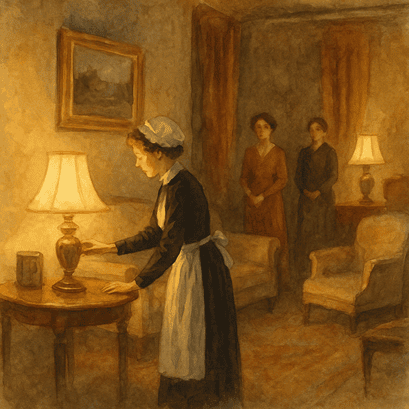
Advances in technology also reduced the need for large staffs:
- Electric lighting and heating replaced servants who once lit fires and candles.
- Indoor plumbing eliminated the need for endless water-hauling.
- Vacuum cleaners and appliances reduced the labor of cleaning.
- Motorcars replaced stables full of grooms and stable boys.
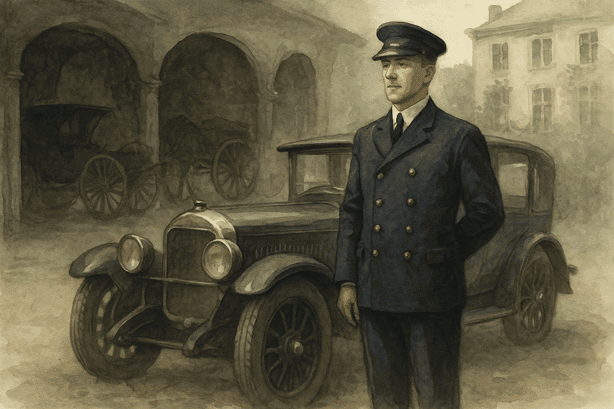
With each innovation, tasks that once required many hands could be handled by fewer people.
The Cost of Grandeur
Maintaining a household of dozens of servants became financially unsustainable for many families. Economic downturns after the war, combined with rising wages and taxes, forced even the aristocracy to cut back. Some great houses closed their servants’ halls entirely, while others turned to smaller staff supported by modern technology.
The End of an Era
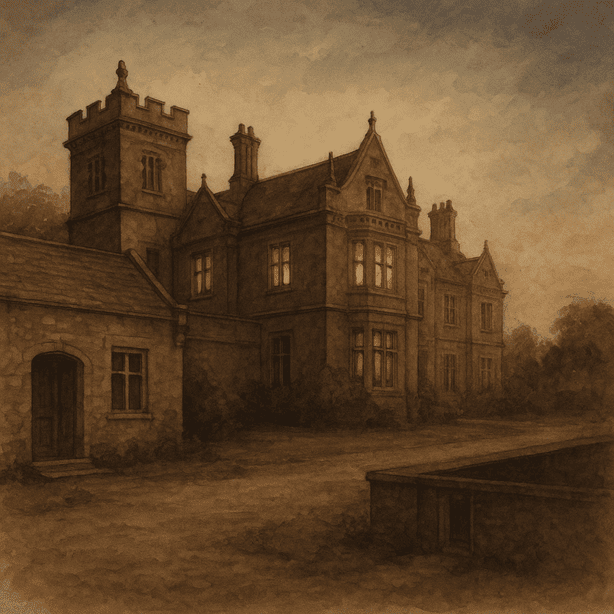
By the mid-20th century, the age of the great servant household was over. What had once been a symbol of status and tradition became a relic of the past. Today, country houses that survive are often museums, hotels, or heritage sites — reminders of a vanished world where armies of servants worked tirelessly, often invisibly, to sustain a way of life that could not endure.
For a complete overview of this lost world, visit Life Below Stairs: Exploring the Servant World of Edwardian Britain
Final Thoughts
The decline of the servant system was not sudden, but gradual — shaped by war, social progress, and technological change. While Downton Abbey dramatizes this transition beautifully, history shows us that the end of service was inevitable. The Edwardian servant hierarchy now belongs to the past, remembered as both a story of discipline and tradition, and a reflection of a society transformed by modernity.
Life Below Stairs Series
- Life Below Stairs: The Servant Hierarchy in the Edwardian Era
- Life Below Stairs: Daily Routines, Rules, and the Servants’ Door
- The Senior Staff: Butlers, Housekeepers, and Cooks
- Valets, Lady’s Maids, and Personal Attendants
- The Working Staff: Footmen, Maids, and Chauffeurs
- The Junior Roles: Scullery Maids, Hall Boys, and Other Assistants
- The Decline of the Servant Era
- Life Below Stairs: The Servant Hierarchy in Downton Abbey


