Skip to content
Castles and History
  • Home
  • Castles by CountryExpand
    • France
    • Germany
    • Scotland
  • CastlesExpand
    • Castle Architecture
    • Castle LifestyleExpand
      • Craftsmen, Trades & Supporting Workers
      • Lords and Ladies
      • Servants and Workers
    • Castle Travel
  • Historical CuriositiesExpand
    • Artifacts
    • Medicine
    • Vocabulary
Castles and History
  • The Medieval Gardener: Skills, Tools, and Daily Life
    Castle Garden | Castle Lifestyle | Labor & Work | Servants and Workers

    The Medieval Gardener: Skills, Tools, and Daily Life

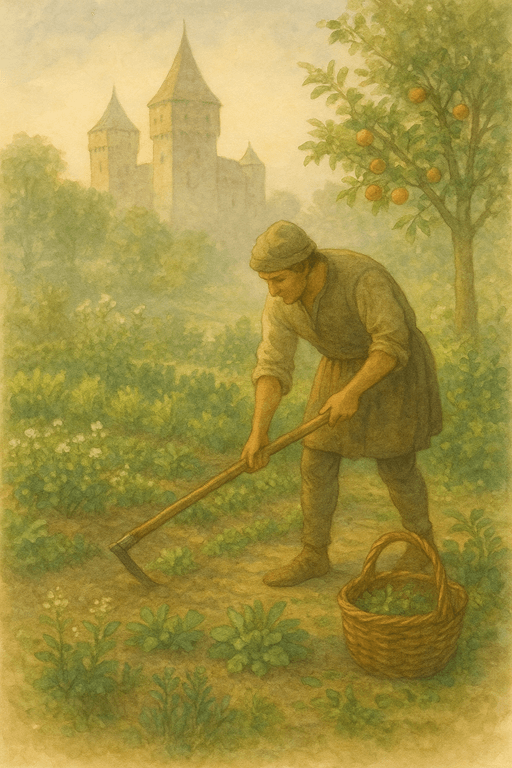
    Behind every flourishing medieval garden—whether an herb patch, orchard, or enclosed sanctuary—stood the quiet labor of the gardener.While noblewomen and lords admired the beauty of roses or strolled among trimmed hedges, it was the gardener who made such beauty possible through skill, patience, and constant work. The medieval gardener was not merely a laborer; he…
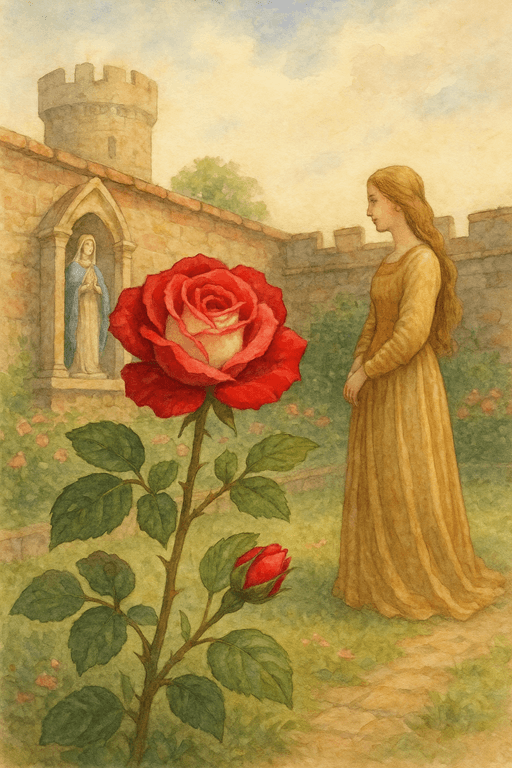
    Read More The Medieval Gardener: Skills, Tools, and Daily LifeContinue

  • Gardens in Medieval Art and Manuscripts
    Castle Garden | Symbolism & Culture

    Gardens in Medieval Art and Manuscripts

    Before photography or landscape painting existed, medieval gardens lived not only in soil but in art and imagination. Tapestries, manuscripts, and altarpieces preserved their colors, symbols, and meanings long after real flowers had faded. In these artworks, gardens were more than background—they were allegories, mirrors of paradise, virtue, love, and the human soul. Whether woven…

    Read More Gardens in Medieval Art and ManuscriptsContinue

  • Flowers and Symbolism in Medieval Gardens
    Castle Garden | Symbolism & Culture

    Flowers and Symbolism in Medieval Gardens

    To a medieval eye, every flower carried meaning. In an age when literacy was rare but symbolism was universal, gardens were living books—each plant a word in the language of faith, love, and virtue. The blooms that filled castle courtyards and cloister walks were not chosen only for color or scent but for what they…

    Read More Flowers and Symbolism in Medieval GardensContinue

  • Courtly Love in the Garden: Romance, Secrecy, and Song
    Castle Garden | Symbolism & Culture

    Courtly Love in the Garden: Romance, Secrecy, and Song

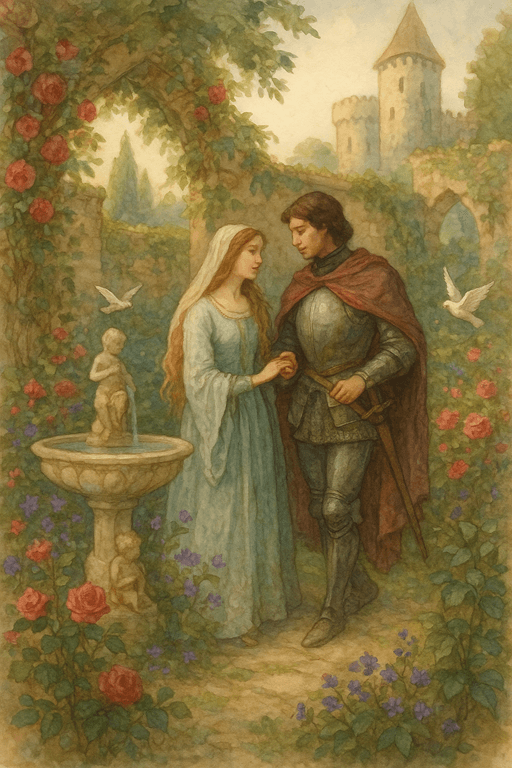
    If the hortus conclusus represented paradise and purity, the castle garden was also a stage for one of the most human of dramas: love.In the Middle Ages, gardens became the symbolic heart of courtly romance—a setting where passion, virtue, and poetry intertwined. Behind stone walls and fragrant bowers, noblemen and ladies exchanged words, glances, and…

    Read More Courtly Love in the Garden: Romance, Secrecy, and SongContinue

  • The Enclosed Garden (Hortus Conclusus): Paradise Behind Walls
    Castle Garden | Symbolism & Culture

    The Enclosed Garden (Hortus Conclusus): Paradise Behind Walls

    Behind the walls of a medieval castle, there often lay another wall—a smaller one, built not for defense but for contemplation. Within it bloomed the hortus conclusus, the “enclosed garden.” To medieval eyes, this garden was not simply a space of beauty; it was a vision of paradise on earth, a symbol of purity, peace,…

    Read More The Enclosed Garden (Hortus Conclusus): Paradise Behind WallsContinue

  • Vineyards of the Castle: Wine, Ritual, and Daily Drink
    Castle Garden | Practical & Everyday Life

    Vineyards of the Castle: Wine, Ritual, and Daily Drink

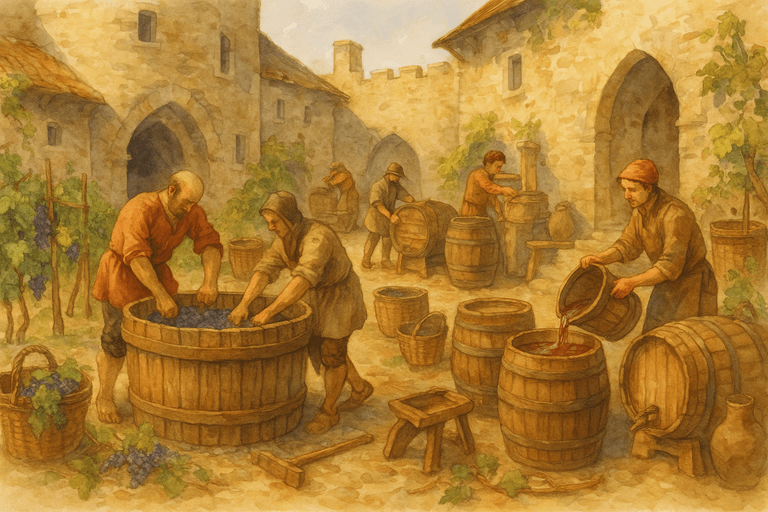
    In the Middle Ages, wine was far more than a luxury—it was a necessity, a ritual symbol, and a mark of civilization. Within castle walls, where life revolved around faith, feasting, and survival, wine flowed through every layer of society, from the lord’s table to the monastery cellar. Some castles owned sprawling vineyards on their…

    Read More Vineyards of the Castle: Wine, Ritual, and Daily DrinkContinue

  • Castle Orchards: Apples, Pears, and the Fruits of Nobility
    Castle Garden | Practical & Everyday Life

    Castle Orchards: Apples, Pears, and the Fruits of Nobility

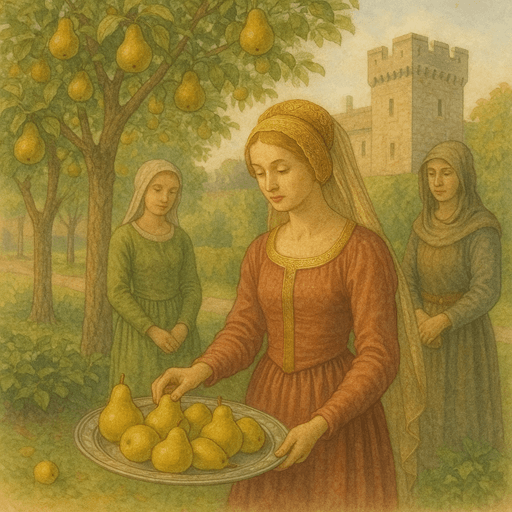
    Behind the stone walls and great halls of medieval castles, life was not only about defense and display. It was also about sustenance. One of the most valuable food sources cultivated within or near castle grounds was the orchard. More than just groves of trees, orchards symbolized stability, abundance, and the wealth of the lord…

    Read More Castle Orchards: Apples, Pears, and the Fruits of NobilityContinue

  • What Was Grown in the Castle Kitchen Garden?
    Castle Garden | Practical & Everyday Life

    What Was Grown in the Castle Kitchen Garden?

    Life inside a medieval castle was not sustained by banquets alone. While feasts dazzled with roasted meats and rich wines, the daily meals of both nobles and servants depended heavily on what grew just outside the kitchen: the castle kitchen garden. These gardens were the unsung heroes of medieval life, providing vegetables, legumes, and fruits…

    Read More What Was Grown in the Castle Kitchen Garden?Continue

  • Medicinal Herbs in the Medieval Castle: Healing with Nature
    Castle Garden | Practical & Everyday Life

    Medicinal Herbs in the Medieval Castle: Healing with Nature

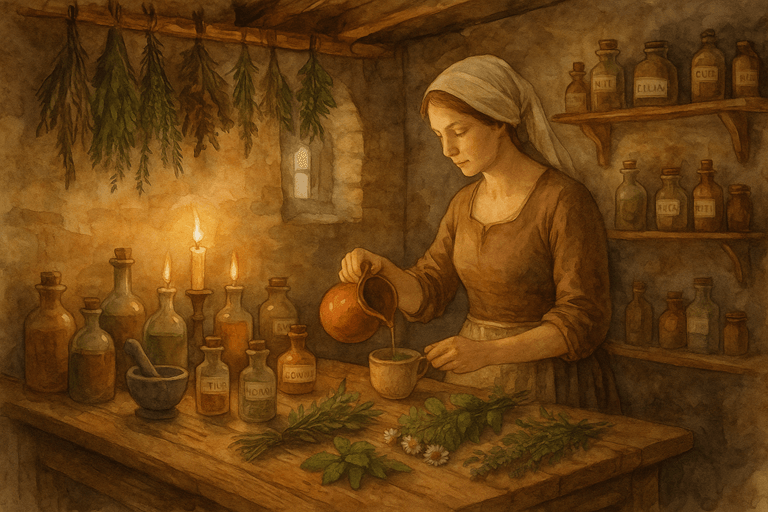
    When illness or injury struck within the stone walls of a medieval castle, there was no apothecary to visit and no physician’s cabinet of modern cures. Instead, the remedy often grew just beyond the kitchen door — in the humble but vital herb garden. These plots, sometimes called herbularies or physic gardens, were not separate…

    Read More Medicinal Herbs in the Medieval Castle: Healing with NatureContinue

  • Castle Gardens in the Middle Ages: From Herbs to Pleasure Walks
    Castle Garden | Practical & Everyday Life

    Castle Gardens in the Middle Ages: From Herbs to Pleasure Walks

    When we think of castles, images of towering keeps, fortified walls, and knights in shining armor immediately spring to mind. But behind the strength of stone and steel, medieval castles were sustained by something far gentler: their gardens. These spaces were not merely decorative; they were vital centers of food production, medicine, symbolism, and leisure….

    Read More Castle Gardens in the Middle Ages: From Herbs to Pleasure WalksContinue

  • Healers, Midwives, and Herbalists in the Medieval Castle Community
    Castle Lifestyle | Craftsmen, Trades & Supporting Workers

    Healers, Midwives, and Herbalists in the Medieval Castle Community

    Though castles were built for defense and display, they were also homes—full of men, women, and children whose health needed constant care. Long before the rise of professional physicians and hospitals, the well-being of castle communities rested in the hands of healers, midwives, and herbalists. These figures blended practical knowledge, spiritual rituals, and folk traditions,…

    Read More Healers, Midwives, and Herbalists in the Medieval Castle CommunityContinue

  • Merchants and Traders: Supplying the Castle with Exotic Goods
    Castle Lifestyle | Craftsmen, Trades & Supporting Workers

    Merchants and Traders: Supplying the Castle with Exotic Goods

    While castles may appear self-sufficient—surrounded by farmland, filled with servants, and protected by thick walls—they were also deeply connected to the outside world. Nobles demanded luxuries that could not be produced within their estates: fine cloth, rare spices, precious metals, and crafted goods from distant lands. Merchants and traders were the lifeline that supplied these…

    Read More Merchants and Traders: Supplying the Castle with Exotic GoodsContinue

Page navigation

1 2 3 … 5 Next PageNext
  • Home
  • About

© 2026 Castles and History

  • Home
  • Castles by Country
    • France
    • Germany
    • Scotland
  • Castles
    • Castle Architecture
    • Castle Lifestyle
      • Craftsmen, Trades & Supporting Workers
      • Lords and Ladies
      • Servants and Workers
    • Castle Travel
  • Historical Curiosities
    • Artifacts
    • Medicine
    • Vocabulary