Feasting and Banquets: What Was Really on the Table in a Medieval Castle?
Step into a medieval Great Hall on a feast day. The air is heavy with the aroma of roasting meats, spiced wine, and freshly baked bread. Torches flicker against stone walls draped with banners and tapestries, casting a warm glow on the crowded tables below. At the high end, the lord and lady preside from a raised dais, while knights, honored guests, and household members sit in strict order of rank. Musicians strum lutes in the corner, a jester makes a fool of himself, and servants rush between tables balancing trenchers, jugs of ale, and platters piled high with food.
Banquets in a medieval castle were never just about satisfying hunger. They were grand performances of wealth, power, and generosity. To dine in a Great Hall was to take part in a carefully orchestrated display of hierarchy, piety, and cultural identity. These feasts fit into a wider rhythm of castle life, shaped by prayer, work, and ceremony, as described in Daily Routines of a Medieval Lord and Lady.
When Did Banquets Happen?
Not every day was marked with grandeur. Most meals in a castle were modest and routine. But on special occasions, the Great Hall was transformed into a stage for celebration.
Banquets were held to mark:
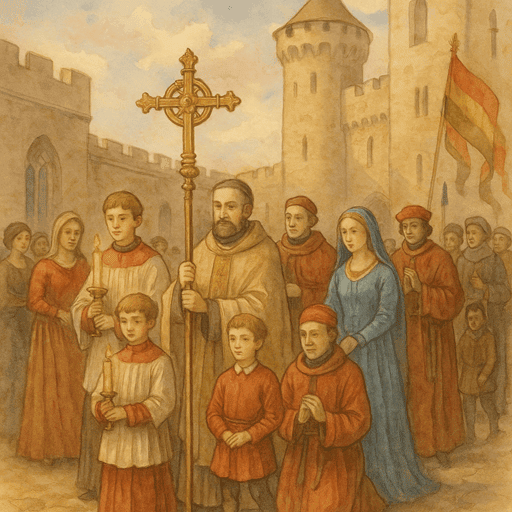
- Religious festivals such as Easter, Christmas, or saints’ feast days. These were deeply tied to the Church calendar and often involved fasting beforehand, followed by indulgent meals. These celebrations followed the Church calendar and reflected the spiritual structure of daily life explored in Religious Life in the Medieval Castle.
- Life events such as weddings, christenings, or the knighting of a son. These moments required public celebration, reinforcing the family’s prestige.
- Political occasions, from welcoming visiting nobles to commemorating victories in war. Entertaining lavishly was a duty as much as a pleasure, signaling the wealth and importance of the host.
For servants and peasants, these feasts were rare chances to glimpse abundance, while for nobles they were essential demonstrations of authority.
The Great Hall: Stage for Display
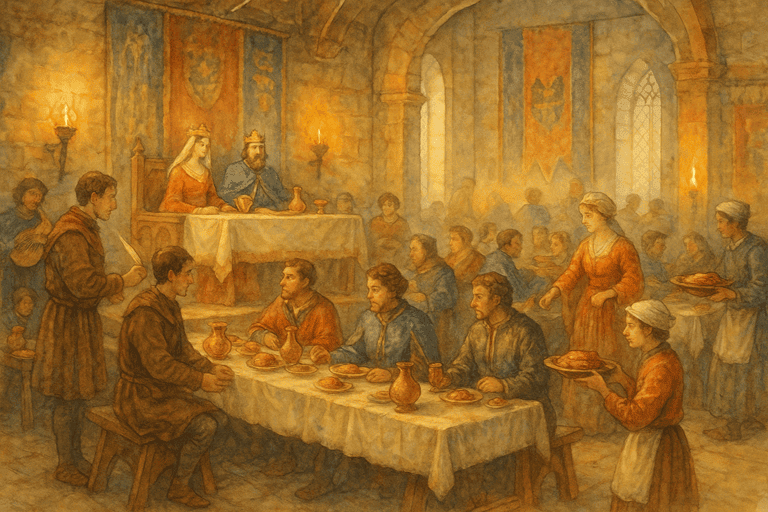
The Great Hall was the symbolic and literal heart of the castle, and during a banquet it came alive. The architecture itself reinforced hierarchy: the lord and lady sat on a raised dais at the high end of the hall, visible to all. Their table was draped with the finest linens, goblets of silver or gold, and dishes seasoned with expensive spices. Clothing and appearance were equally important to this display, with nobles dressed according to rank and occasion, as detailed in Fashion in the Great Halls of Medieval Castles: What Nobles Wore.
Seating arrangements reinforced the social order:
- The lord and lady at the high table with close family and honored guests.
- Knights, squires, and lesser nobles further down the hall.
- Servants and retainers at the lowest places, often eating simpler food.
Even the act of where one sat was part of the performance, a daily reminder of rank and privilege.
The Food: From Pottage to Peacock
The centerpiece of any banquet was, of course, the food. But meals in a medieval castle were not simply about nourishment—they were expressions of wealth, order, and identity. The variety, presentation, and sheer volume of dishes sent a clear message: this household had the means to command labor, resources, and trade connections. At the high tables, nobles dined on exotic meats and delicacies rarely seen by commoners. Down the hall, servants and lower-ranking retainers ate more modest fare, though still better than what most peasants outside the castle might expect. A single meal could involve dozens of dishes, carefully staged to impress both the palate and the eye.
For Nobility

- Roasted meats were the centerpiece: venison, boar, beef, mutton, rabbit, swan, and even exotic birds like crane or peacock. To impress, some cooks re-dressed roasted birds in their feathers, turning them into edible sculptures.
- Fish was central, especially on fast days when meat was forbidden. Pike, carp, and perch were common, while herring, salted or fresh, came from the coasts.
- Bread was white and finely sifted for nobles, cut into “trenchers” that served as edible plates.
- Spices and sugar, imported at great cost, transformed dishes. Cinnamon, cloves, saffron, and ginger added flair, while sugar-coated almonds or candied fruits ended the meal in luxury.
- Fruits and pastries, including pies, tarts, and stewed apples, added sweetness to the table.
For Servants and Lower Tables

- Pottage—a thick stew of grains, vegetables, and scraps of meat—was the staple.
- Coarser bread and cheese accompanied by ale filled most bellies.
- Leftovers from the high table sometimes trickled down, though in smaller portions.
Banquets dazzled, but the gulf between high and low tables was stark. Nobles dined on exotic displays, while most servants ate what was hearty and filling.
Drinking: Ale, Mead, and Wine
No medieval banquet was complete without something to drink, and beverages carried as much meaning as the food itself. In an age when water could be unsafe, ale, mead, and wine provided both refreshment and a chance to display wealth. Each cup poured was not just a drink, but a statement of culture and rank. Ale, brewed from grains, was the everyday drink of all classes, while mead carried a more festive, northern tradition. Wine, however, was the ultimate marker of sophistication, imported across long distances and spiced for effect. The goblet you drank from—whether wooden, pewter, or gold—said almost as much about you as the clothes you wore.
- Ale was the most common drink, brewed at home and consumed daily by nearly everyone, nobles included.
- Mead, made from honey, was especially popular in northern regions.
- Wine was the drink of prestige. Imported from France, Spain, or Italy, it was both an indulgence and a political statement. Spiced wines such as hypocras added exotic flair.
Vessels too marked hierarchy: wooden cups or pewter goblets for most, gilded chalices for the high table.
Entertainment: More Than Just Eating

The medieval feast was a multisensory experience. The clatter of knives on trenchers, the crackle of fire in the hearth, and the aroma of food filled the hall, but so too did the sounds of laughter, music, and performance. Entertainment was woven into the banquet from start to finish, turning the meal into a theatrical event. To attend a feast was not merely to eat—it was to watch, listen, and marvel. The entertainment reinforced the lord’s wealth, showing that he could not only feed his guests but also delight them. From musicians plucking lutes to sugar sculptures carried in like treasures, every detail emphasized spectacle.
- Minstrels and troubadours performed songs of romance, legend, or history, carrying tales from castle to castle.
- Jesters and fools entertained with acrobatics, wordplay, or comic antics, breaking the solemnity of rank.
- Subtleties, elaborate sugar sculptures or dishes shaped like castles, ships, or animals, were paraded for admiration before being eaten.
- Tournaments or jousts sometimes accompanied great feasts, providing physical spectacle alongside culinary abundance.
A banquet was theatre, and everyone present—whether noble or servant—played a role in it.
The Work Behind the Feast
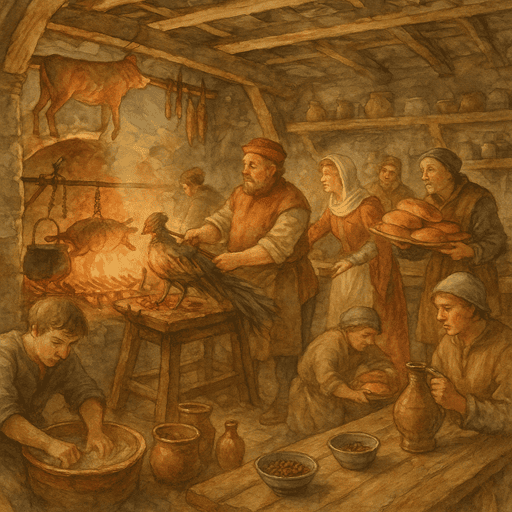
Behind the glittering display of banquets lay the sweat and toil of those who made them possible. Much of this complex organization fell under the authority of the lady of the castle, whose responsibilities extended far beyond embroidery, as explored in The Lady of the Medieval Castle: More Than Just Embroidery?. For servants, feast days meant not celebration but exhaustion. Castle kitchens became smoky, sweltering hives of activity where dozens of hands worked in unison. Fires burned hot all day, roasting entire animals. Pots the size of barrels bubbled with pottage or broth. Water had to be hauled from wells, wood split for fires, and tables set with linens scrubbed painstakingly by laundresses. The glamour of the Great Hall rested entirely on the invisible labor carried out in courtyards, storerooms, and kitchens, where the humbler half of the castle community worked tirelessly to sustain the grandeur above.
- Cooks and kitchen boys worked in sweltering heat, roasting whole animals on spits and stirring vast cauldrons of stew.
- Scullions scrubbed greasy pots and carried endless buckets of water.
- Servers hurried through the hall balancing trenchers and jugs of ale.
- Cupbearers tasted wine before it reached the lord’s lips, ensuring it was safe.
- Laundresses washed and prepared the clean linens spread across noble tables.
While the banquet displayed the wealth of the lord, it also revealed the immense, unseen effort of the household staff who toiled in kitchens, storerooms, and cellars.
Religion and Ritual at the Table

Even in feasting, religion was ever-present. Meals began with prayers and blessings, and often ended with acts of charity. Leftovers were collected and distributed to the poor waiting outside the castle gates. On fasting days dictated by the Church, menus were altered to exclude meat, relying instead on fish, eggs, and vegetables.
These rituals reminded nobles and servants alike that abundance was both a gift and a responsibility, tied to Christian duty.
Final Thoughts
Banquets in a medieval castle were far more than lavish meals. They were living performances of hierarchy, faith, and power. For nobles, they offered opportunities to impress, to cement alliances, and to showcase wealth through exotic dishes and entertainment. For servants, they were exhausting days of labor, unseen but essential. For all who attended, they were experiences to remember—moments when the Great Hall came alive with music, color, and the shared rhythms of medieval life.
Behind every golden goblet and spiced dish lay the truth of the Middle Ages: that the castle was not just a fortress, but a stage where society itself was displayed in all its grandeur and inequality.