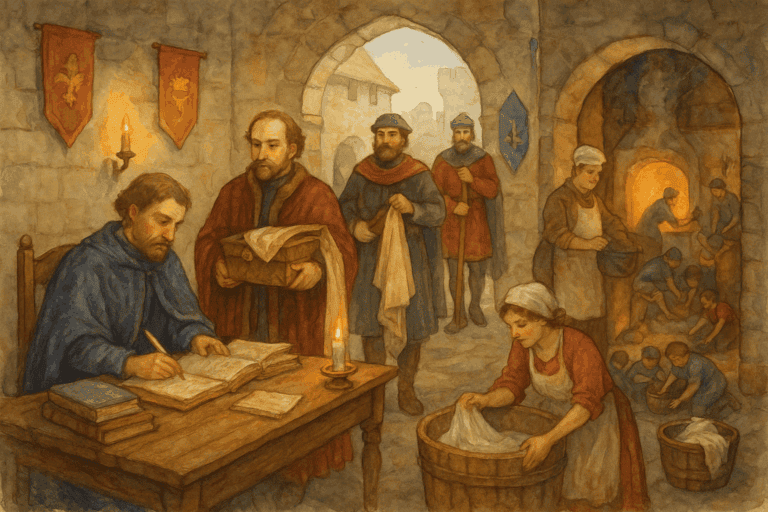
The Carpenter and the Mason: Builders of Stone and Timber in the Medieval Castle
When we imagine a medieval castle, we often think of its great lords and ladies, the soldiers on the walls, or the servants bustling in the kitchens. But without the steady labor of carpenters and masons, none of these structures would have stood for long. They were the backbone of construction and maintenance, turning raw timber and stone into fortresses, halls, bridges, and towers. Their skills were essential, not only in the initial building of castles but also in keeping them strong, safe, and habitable over centuries.
Carpenters: Masters of Timber and Repair

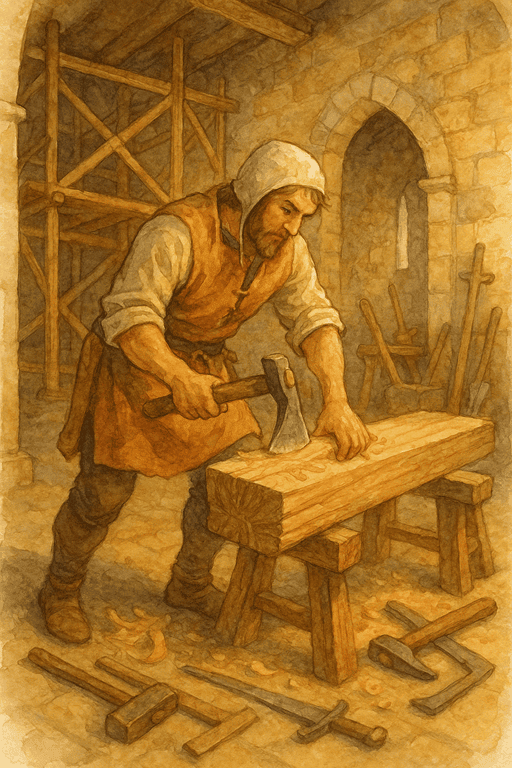
Carpenters were indispensable to castle life, for wood was as vital a building material as stone. Though castles are remembered for their imposing stone walls, their strength and comfort depended on countless wooden structures—floors, ceilings, scaffolding, doors, siege engines, and even the furniture nobles used daily. Carpenters were constantly at work, repairing beams weakened by damp, mending gates battered by siege, or crafting ladders and hoardings for defense. Their skill extended beyond construction into ingenuity, as they often had to adapt timber for quick fixes in moments of crisis. In many ways, they were the unseen hands that kept the castle livable, their work often overlooked until disaster struck.
- Repairs and scaffolding: Carpenters were constantly repairing wooden floors, roofing, drawbridges, and hoardings (wooden defensive platforms). During sieges, they built scaffolding and temporary fortifications at speed.
- Everyday carpentry: Beyond defenses, carpenters also created chests, chairs, tables, and beds for the household. They were often asked to carve intricate decorations, balancing strength with artistry.
- Tools of the trade: Carpenters worked with saws, chisels, planes, and adzes. Their work required great physical strength as well as mathematical skill for measuring and fitting.
Carpenters were highly versatile; they worked in both grand projects and humble details. Without them, castles would have fallen into disrepair within years.
Masons: Shaping the Castle in Stone

If carpenters provided flexibility, masons offered permanence. Masons were the architects of endurance, transforming raw blocks of quarried stone into towers, walls, and chapels that could withstand centuries. Their work demanded patience, precision, and strength. Every carved block had to fit seamlessly, supported by mortar and careful planning. The mason’s art was also symbolic: carved ornamentation, tracery on chapel windows, or even subtle mason’s marks left behind became a legacy of their craftsmanship. Working high on scaffolds or deep in quarries, masons bore the responsibility of shaping not just buildings but the very image of power and stability that the castle represented. The grandeur of medieval architecture was, in many ways, their silent testimony.

- Stonework skills: Masons cut, dressed, and set the great stones that formed walls, towers, and chapels. Precision was essential; poorly cut stones meant weak walls. They also carved ornamental work, like arches, columns, and window tracery.
- Construction sites: Masons worked in teams, with master masons overseeing designs and apprentices doing heavy labor. They often lived close to quarries, ensuring a steady supply of stone.
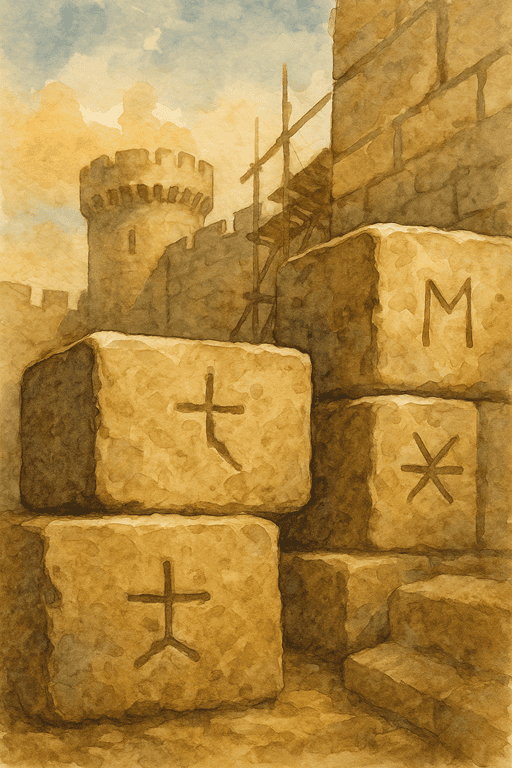
- Legacy of their craft: The marks of individual masons can still be found etched into stones today—a sign of pride, ownership, and proof of work for payment.
The mason’s art combined engineering with beauty, ensuring castles were not just functional fortresses but also symbols of wealth and authority.
Status and Pay: Craftsmen Between Servant and Master
Carpenters and masons occupied a curious position within castle society—neither lowly servants nor high-born nobles, but skilled craftsmen whose expertise commanded respect. Their pay was generally higher than that of household servants, often measured in steady wages or, in larger projects, by contract. Some even enjoyed privileges, such as meals at the lord’s expense or exemption from certain feudal duties. Yet, they were not free of hardship: work was physically grueling, weather often unforgiving, and mistakes could mean both danger and disgrace. Unlike scullions or laundresses, craftsmen had the chance to rise in prestige through guild membership, securing their families a place above the servant class. Their role straddled the line between manual labor and artistry, making them essential yet distinct in the hierarchy of castle life.
- Guild status: In towns and cities, carpenters and masons often belonged to guilds, associations that regulated training, wages, and standards. Within castles, their status was slightly lower but still respected.
- Pay and privileges: They were usually paid more than ordinary servants but less than stewards or knights. Some were given privileges like extra rations, clothing allowances, or housing within castle walls. Master masons, in particular, could command high wages and travel between great building projects.
- Mobility and opportunity: Skilled craftsmen could rise in society. A successful mason or carpenter might become a master builder, overseeing works for kings or bishops, gaining fame across regions.
Despite their higher standing compared to menial workers, their labor was still grueling and dangerous, and many bore the scars of years of heavy lifting, accidents, or falls from scaffolding.
Final Thoughts

The grandeur of medieval castles was as much the work of carpenters and masons as it was of lords and knights. Every beam, roof, tower, and chapel bore their fingerprints. They balanced utility with artistry, ensuring castles could withstand war while also inspiring awe. Though often overlooked in chronicles, their craft quite literally built the Middle Ages.
To understand the life of a medieval castle is to acknowledge the unseen builders—those who shaped timber and stone into the enduring symbols of an age.