What Happened to the Children When Noble Marriages Fell Apart in the Middle Ages?
When noble marriages broke down in the Middle Ages—through annulment, separation, or discord—the greatest uncertainties often surrounded the children. Medieval society cared deeply about lineage, inheritance, and legitimacy. A child’s future could shift overnight depending on how the parents’ union ended. While noble sons and daughters were raised to secure the dynasty’s future, their security was anything but guaranteed when vows were broken.
Children in Cases of Annulment
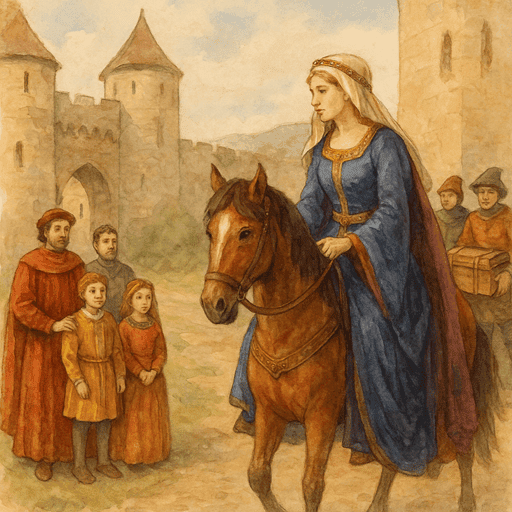
An annulment was not the same as a divorce. It declared a marriage invalid from the start, as if it had never existed. For the couple, this was already disruptive; for their children, it could be devastating. The legitimacy that defined their social standing and inheritance rights hung in the balance.
- Legitimacy in danger: Technically, children from annulled marriages became illegitimate, since the marriage itself was judged never to have existed. This could strip them of inheritance rights and push them outside the noble line they were born into. In societies where inheritance meant land, titles, and influence, this was no small matter—it could be the difference between being raised as an heir and living on the margins.
- Church dispensations: In practice, the Church sometimes protected children’s status, especially if their legitimacy was crucial to political stability. Papal or episcopal rulings could declare children legitimate despite an annulment, allowing dynasties to continue without disruption. Politics often outweighed strict theology when kingdoms or alliances were at risk.
- Custody: Children usually remained with the father’s family, since they carried his lineage and name. Mothers, if they returned to their natal estates or remarried, often had to leave children behind. In some cases, mothers were allowed influence over daughters’ upbringing but rarely over sons, whose futures were too closely tied to inheritance and knightly training.
Example: When Eleanor of Aquitaine’s marriage to Louis VII of France was annulled, their two daughters were not declared illegitimate, but they remained with Louis in France. Eleanor left Aquitaine to remarry Henry II of England, reshaping the political map of Europe—but at the cost of leaving her daughters behind.
Children in Cases of Separation
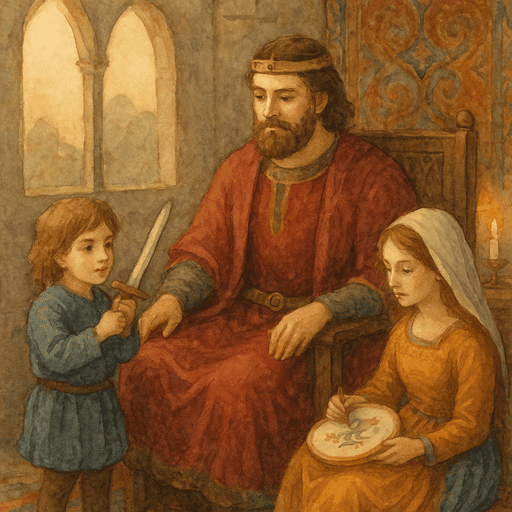
A separation from bed and board did not dissolve a marriage. Couples remained legally bound but lived apart, often due to cruelty, desertion, or deep personal conflict. This type of separation avoided the thorny issue of legitimacy, but children’s daily lives were still affected.
- Custody: Fathers almost always retained control of children. In noble society, children were not just beloved family members but heirs to dynasties, and their presence within the paternal household symbolized continuity. Keeping them with the father’s family ensured the line could not be disrupted by the mother’s relatives.
- Mothers’ access: A separated mother might return to her natal family or enter a convent. In both cases, her contact with her children was often restricted. Letters, occasional visits, or influence over marriage contracts were possible, but daily nurturing was curtailed. This was especially painful for noble mothers, whose daughters’ futures often depended on their guidance and networks.
- Education and fostering: Sons usually followed the traditional path of fosterage in other noble households, squireship, or clerical study. Daughters often remained in the family estate until marriage or entered convents. Even if the parents were estranged, these customs continued, though the balance of influence between father and mother shifted.

In practice, a separation often left noble children caught between two households—raised by their father’s family but shaped, in part, by the shadow of their mother’s absence.
Children in Cases of Discord
Not every troubled marriage ended in annulment or separation. Many noble couples stayed bound together despite quarrels, jealousy, or betrayal. Discord could simmer behind castle walls, affecting the household in more subtle ways.
- Sons: Boys still followed the expected course—training with squires, studying under clerics, or preparing for inheritance. But in cases of bitter conflict, fathers might deliberately limit a mother’s influence over her sons, asserting control over their knightly education or inheritance planning.
- Daughters: Girls typically remained under their mother’s care longer, learning household management, embroidery, and courtly manners. Yet if marital disputes soured, a father might arrange their marriages with little input from the mother. This could deprive daughters of maternal support at crucial stages of life.
- Emotional cost: Medieval chronicles rarely speak of children’s feelings, but silence does not mean they were unaffected. Children could find themselves torn between divided loyalties, caught in disputes that shaped their marriages, inheritances, and sense of identity.
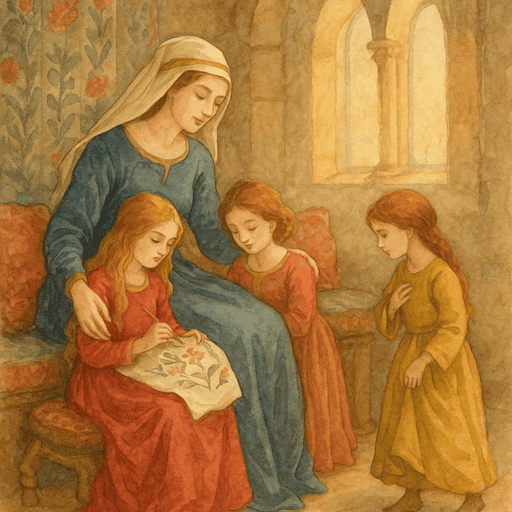
In such households, children might outwardly continue as if nothing had changed, but beneath the surface, conflict often left lasting scars.
Illegitimate Children
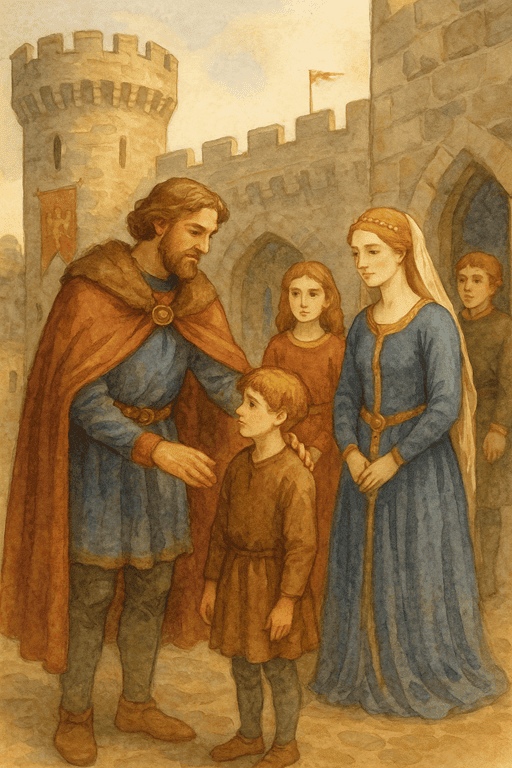
Infidelity or broken unions sometimes produced children born outside marriage, creating further complications. For noble families, illegitimacy was not just personal shame—it was a legal obstacle.
- Inheritance: By default, illegitimate children could not inherit titles or estates. The law was strict: only legitimate heirs could carry on noble dynasties.
- Acknowledgment: Despite legal limits, many fathers acknowledged their bastards, granting them land, dowries, or clerical careers. Papal dispensations could sometimes legitimize these children, though rarely enough to replace true heirs.
- Paths in life: Noble bastards often found opportunities in the Church, as abbots or bishops, or on the battlefield, where their ambition and loyalty could make them valuable knights. Daughters might be married into lesser noble families or placed in convents, their futures shaped by how much favor their fathers showed them.
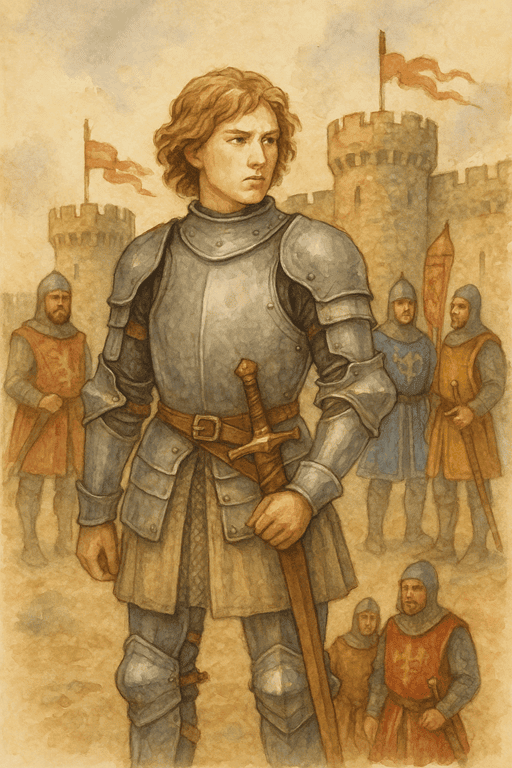
Example: William the Conqueror was born illegitimate, mocked as “William the Bastard.” Yet through determination and conquest, he seized the English crown, proving that even bastards could rise to redefine history.
Final Thoughts
For children, the breakdown of a noble marriage could mean anything from stability to disaster. Some remained secure in their legitimacy and inheritance. Others were separated from their mothers, raised by fathers or foster families, or branded illegitimate by law. While noble society valued children deeply, it valued them above all as symbols of lineage and continuity. When marriages faltered, it was often the children who bore the heaviest burdens of politics, law, and broken vows.
Medieval children were not simply passive victims of these struggles—they were the very stakes of the game. Their legitimacy determined dynasties, their custody reflected power, and their futures carried the weight of alliances and inheritances that stretched far beyond their own lives.