When Servants of a Medieval Castle Got Sick: Care, Remedies, and Consequences
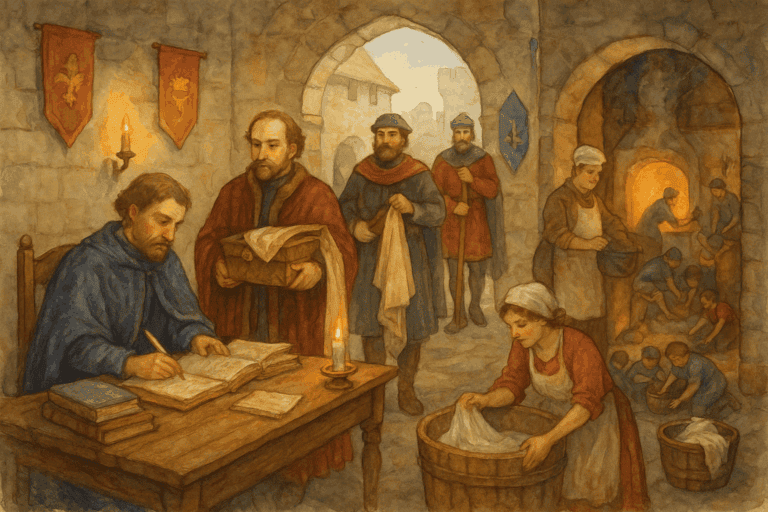
Life in a medieval castle depended on the tireless work of its servants. From stewards to scullions, grooms to laundresses, each role kept the castle functioning like a living organism. But what happened when illness struck? Unlike nobles, who could rely on chaplains, private chambers, and sometimes even physicians, servants faced a harsher reality. Their care, remedies, and even survival were shaped by their rank in the household hierarchy and the attitudes of their masters.
Falling Ill in the Castle
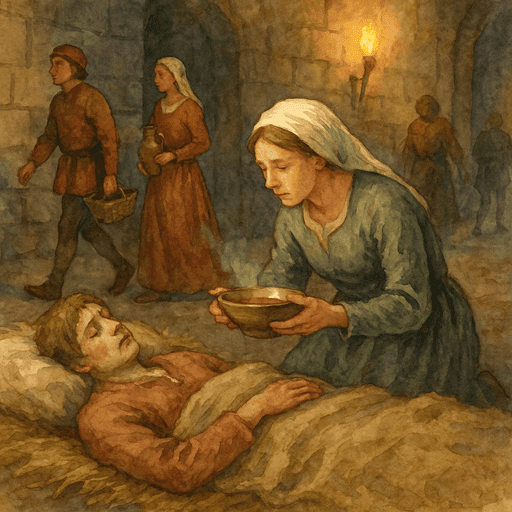
Illness was an unavoidable reality in medieval castles, where hundreds of people lived and worked in close quarters. Servants, who formed the backbone of daily life, were especially vulnerable. Long hours of labor in cold, damp environments weakened their bodies, while poor diets and constant exposure to smoke, dirt, and disease left their immune systems fragile. For a cook, laundress, or stable boy, even a minor illness could quickly become debilitating. Falling ill was not only a personal struggle but also a disruption to the carefully orchestrated machine of castle life—every absent hand meant extra burden on others. In an age when medicine was rudimentary and often intertwined with faith, sickness blurred the line between the physical and the spiritual, raising questions of sin, divine punishment, or fate.
- Living conditions: Many servants lived in shared quarters, often cramped and poorly ventilated, making them vulnerable to contagious diseases. The smoky air of kitchens, the dampness of cellars, and the filth of stables only increased the risks.
- Workload: Their daily tasks were physically demanding, from scrubbing pots to hauling water, which left them exhausted and more likely to fall ill.
- Exposure: Laundresses, scullions, and grooms often dealt with dirty water, waste, and animals, putting them at constant risk of infection.
For a lowly servant, a simple fever or injury could spell disaster if it prevented them from fulfilling their duties.
Remedies and Healing Practices
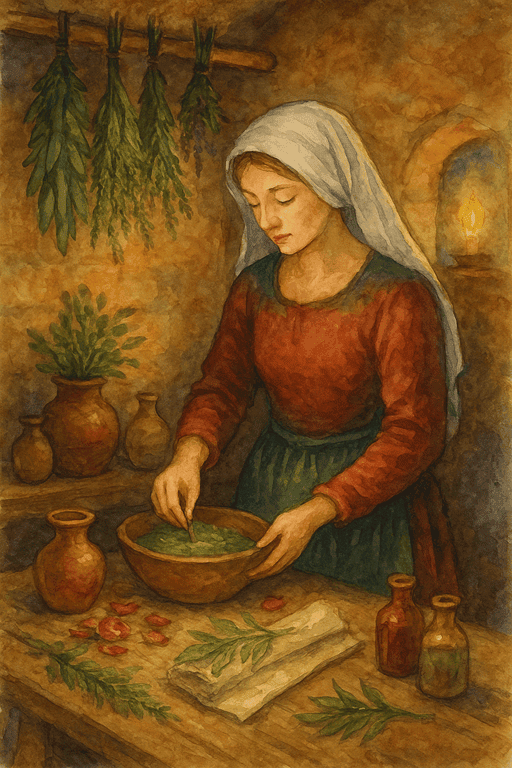
When servants became sick, castles turned to a mixture of folk medicine, herbal remedies, and the spiritual comfort of the Church. Knowledge of healing herbs was often passed down through generations, and women in service, particularly laundresses and kitchen staff, were familiar with simple remedies to ease fevers, stomach pains, or wounds. For more serious illnesses, the castle might call upon a physician, though such experts were rare and often too costly for lower servants. Chaplains and priests also played a vital role, administering prayers, blessings, or even relics thought to cure the afflicted. The sick were sometimes placed in separate chambers or makeshift infirmaries to contain contagion, but resources were limited. Healing was rarely swift or guaranteed; instead, it was a blend of practical care—herbs, poultices, rest—and deep reliance on faith and ritual.
- Herbal remedies: Most servants were treated with simple herbal concoctions. Common cures included mint for stomach ailments, willow bark for pain, and honey or vinegar as disinfectants. Monastic knowledge of herbs filtered down into castle life, and some senior servants might keep a small “physic garden.”
- Basic care: A servant too sick to work might be placed in a corner of the hall or an unused chamber, tended by fellow servants rather than a physician. Bed rest, broths, and herbal poultices were the usual care.
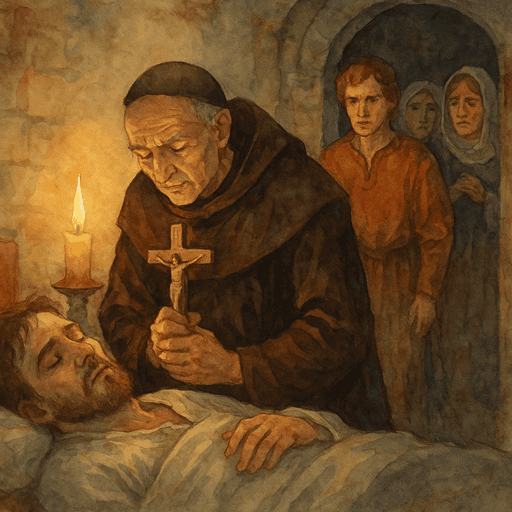
- Religious aid: The chaplain might be called to pray for the sick, especially if death seemed near. For many, the line between medicine and faith was blurred—illness was often seen as punishment or a trial from God.
- Rare medical intervention: Physicians were expensive and usually reserved for nobles. Only if the illness threatened to spread to the noble household might a physician’s advice be sought for a servant.
Consequences of Illness
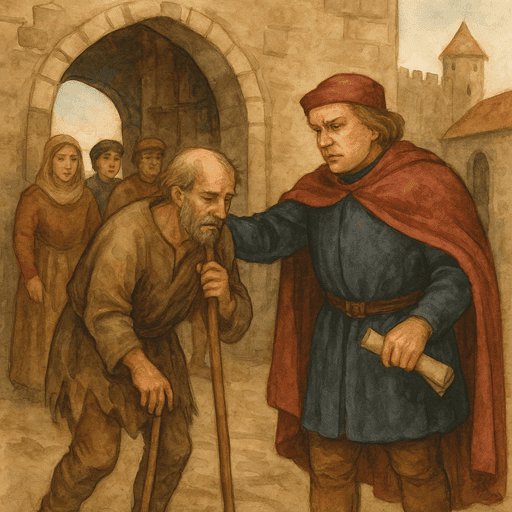
Illness carried heavy consequences in a society where work defined a servant’s worth. A sick steward could bring financial confusion, while a bedridden laundress left piles of soiled linens to rot. Nobles often showed little patience for servants who could no longer fulfill their duties. Some households allowed time for recovery, particularly for trusted or long-serving workers, but others dismissed the sick outright, leaving them to fend for themselves. Dismissal could mean poverty, starvation, or begging at the gates of monasteries for aid. Even for those who recovered, illness could leave lasting weakness that limited their future. Falling ill was therefore not only a physical trial but also a moment of acute social vulnerability—when a servant’s loyalty and usefulness were weighed against the cold efficiency of the castle hierarchy.
- Lost wages: Servants were often paid little, and if they couldn’t work, they might lose their pay altogether. Some castles dismissed servants who became chronically ill or disabled, forcing them to rely on family or charity.
- Replacement: In large households, a sick servant could quickly be replaced. Positions in the castle were desirable for the security they offered, so there was rarely a shortage of willing workers.
- Stigma: Illness could mark a servant as weak or unreliable. In times of plague or epidemic, it could even lead to fear and isolation from fellow workers.
For the lowest ranks, sickness often meant slipping back into poverty or begging once dismissed.
Epidemics and Collective Risk
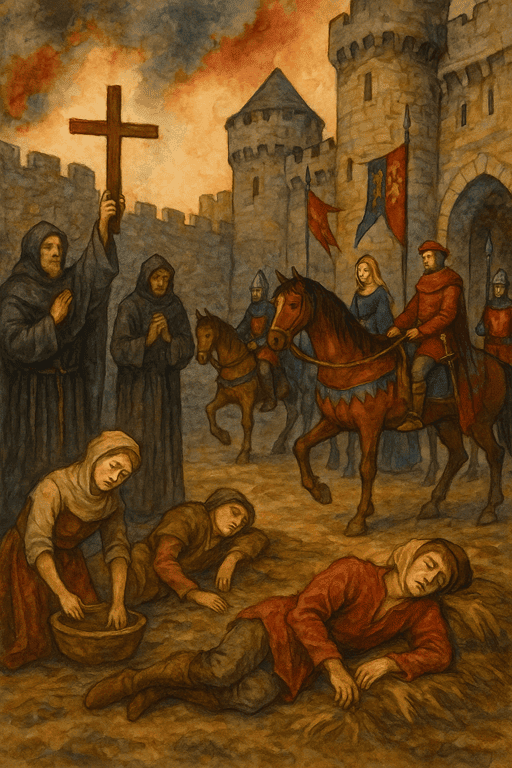
While individual sicknesses strained the household, nothing compared to the devastation of epidemics. The spread of plague, dysentery, or influenza within the close walls of a castle could decimate both servants and nobility alike. Courtyards, kitchens, and dormitories became dangerous spaces where one cough or touch might mean death. Servants were often the first exposed, as they dealt with refuse, animals, and crowds of travelers passing through castle gates. Nobles sometimes tried to flee to safer estates, leaving behind a reduced staff to cope with chaos. Chaplains led prayers, incense was burned to ward off foul air, and desperate measures—such as burning clothing or abandoning the sick—were employed in fear. Epidemics stripped away the illusion of hierarchy: in the face of disease, even kings and lords discovered that their stone walls could not keep out death.
- Plague: When the Black Death swept through Europe, castles were not immune. Servants living in close quarters were often the first to suffer, and noble families sometimes fled, leaving their household staff to fend for themselves.
- Quarantines: Some castles tried to isolate the sick in outbuildings or towers, but this was rarely effective.
- Labor shortages: In times of epidemic, the sudden loss of servants could cripple a household, forcing nobles to pay higher wages or grant privileges to retain healthy workers.
Thus, illness among servants had ripple effects that extended to the functioning and safety of the entire castle.
Compassion, Duty, and Reality
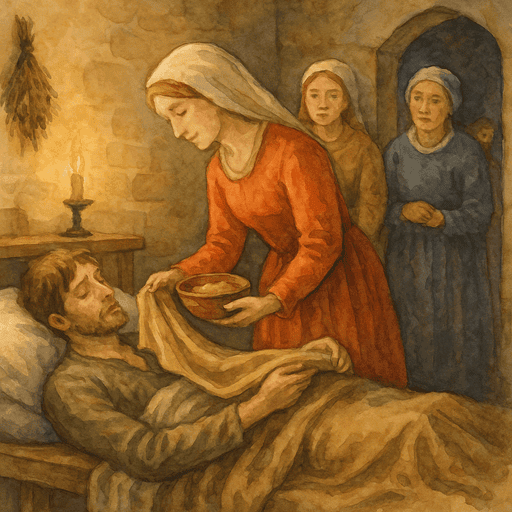
Not all stories were grim. In some cases, loyal servants received remarkable care from their lords or ladies. Long service or personal bonds could inspire acts of compassion—extra food, money for remedies, or even prayers dedicated to the servant’s recovery. But these were exceptions. For most, survival depended on resilience, the support of fellow servants, and the hope that their illness would pass quickly.
Final Thoughts
When servants got sick in medieval castles, their fates revealed the precarious balance of privilege and hardship. Remedies were simple, care was uneven, and consequences could be dire. Illness among servants was more than a personal trial—it was a reminder of the fragility of life in a world where medicine was limited, faith was central, and labor was everything.
By looking at how castles dealt with sick servants, we see both the humanity and the harshness of medieval life: the small acts of kindness, the resilience of workers, and the ever-present reality that, without their labor, the grandeur of the castle could not endure.