
Privacy and Comfort in a Medieval Castle: How Royalty Managed Hygiene, Bedrooms, and Baths
Life inside a medieval castle might appear glamorous from the outside—towering walls, banners, feasts, and richly dressed nobles. Yet behind the grandeur lay the practical realities of daily living. Royalty and nobility, despite their wealth, had to navigate issues of privacy, hygiene, and comfort in ways very different from today. From their bedding arrangements to garderobes and perfumed baths, the routines of the lord and lady reveal much about how castles balanced splendor with practicality.
Unlike peasants, who lived with smoke-filled cottages, rough pallets, and communal facilities, nobles developed systems that provided a higher standard of comfort and privacy. These systems were not modern, but they represented the cutting edge of medieval domestic life—an intersection of necessity, ritual, and status.
Bedding and Mattresses: Luxury in Layers
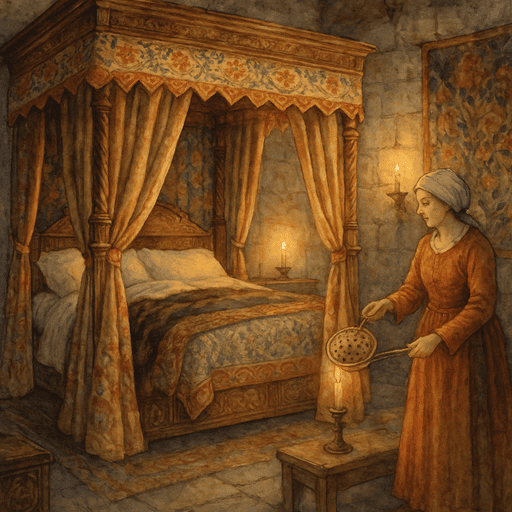
The bed was the centerpiece of a noble’s chamber, both a private retreat and a public symbol of prestige. Beds were among the most valuable furnishings in a castle, sometimes listed in wills or passed down as heirlooms.
- Beds and canopies: Great beds were often enclosed with wooden frames and surrounded by rich curtains. These provided privacy, blocked drafts from stone walls, and gave the sleeper a sense of security. Curtains were typically embroidered or dyed in costly fabrics such as velvet, damask, or brocade, making the bed a striking display of wealth. Some beds were so large that they could accommodate multiple people—not only spouses but also visiting dignitaries or children seeking warmth in winter.
- Mattresses and coverings: Instead of plain straw, noble mattresses were stuffed with wool, feathers, or down. This layering system allowed for adjustments according to the season, with heavier furs in winter and lighter linen sheets in summer. Linen itself was a prized material, often imported and bleached to a bright white that symbolized refinement.
- Warming pans: Cold winters meant extra measures for comfort. Servants warmed beds before their masters retired by running heated metal pans filled with embers between the sheets. This nightly ritual emphasized the importance of warmth and underscored the dependence of nobles on their attendants.
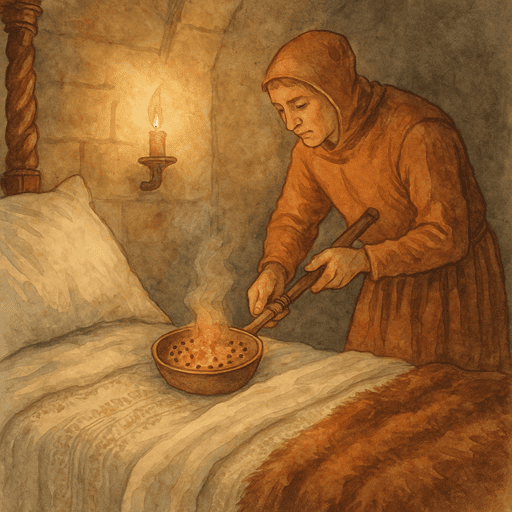
Beds were not only for sleep—they were ceremonial spaces. Nobles might receive visitors in their bedchambers, holding private discussions or even granting audiences from the comfort of their great bed. Thus, the bedchamber balanced intimacy and politics, privacy and display.
Toilets and Garderobes: The Castle’s Necessary Spaces

Managing waste was one of the great challenges of medieval living, particularly in multi-storied stone castles where hundreds of people might be housed. Nobles had access to facilities that, while crude by modern standards, represented genuine progress in sanitation.
- Garderobes: Built into the walls, garderobes were small chambers with a wooden or stone seat set over a shaft. Waste dropped into cesspits, drains, or sometimes directly into moats. While this system did not eliminate odors, it separated waste from living quarters in a way that peasant cottages rarely achieved.
- Smell and management: Herbs such as lavender, juniper, or chamomile were hung in garderobes to mask foul smells. Servants, often the lowest-ranked workers, were tasked with cleaning the pits or emptying waste. For nobles, this separation of labor itself was a mark of privilege—they were spared the indignity of the task.
- Portable toilets: Chamber pots were common in bedrooms, especially for nighttime use. These ceramic or metal pots could be tucked beneath the bed and discreetly emptied each morning. Some were decorated, reflecting even here a concern for status.
While modern readers may wrinkle their noses, garderobes symbolized a rare degree of privacy and convenience in their time. They allowed nobles to conduct one of life’s necessities in relative seclusion, reinforcing the social boundary between elite comfort and peasant hardship.
Baths and Perfumes: Rituals of Cleanliness
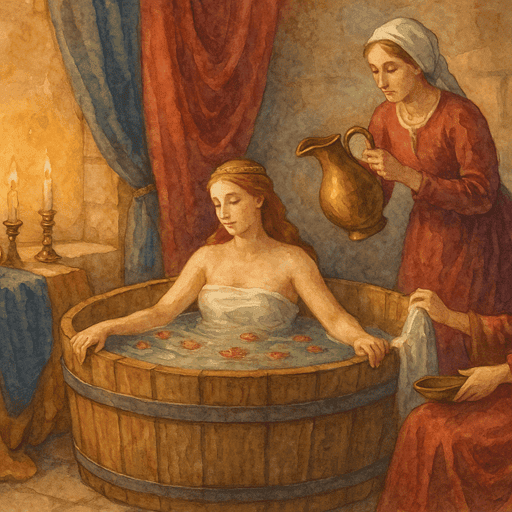
Contrary to the stereotype of a “dirty Middle Ages,” bathing was part of noble life—though approached differently than in modern times. Cleanliness was tied not only to hygiene but also to spiritual and social ideals.
- Bathing chambers: Wooden tubs were set up in heated rooms, sometimes lined with cloth and sprinkled with herbs or rose petals. Servants carried hot water in buckets, often requiring dozens of trips from the kitchens to the bath chamber. For major occasions, entire bathing suites were prepared, complete with incense and candlelight.
- Bath frequency: Nobles did not bathe daily, but they did so more often than peasants. Bathing before feasts, religious festivals, or marriage ceremonies was expected. Some noble households maintained a weekly rhythm of bathing, while others reserved it for special occasions. Bathhouses also existed in towns, and some nobles enjoyed public bathing as part of their social life.
- Perfumes and oils: The ritual of bathing often ended with the application of fragrant oils, scented waters, and powders. Distilled herbs such as rosemary or sage were used both as deodorants and as symbols of refinement. Wealthy nobles imported rosewater, musk, or ambergris, which gave them a distinctive aura of luxury.
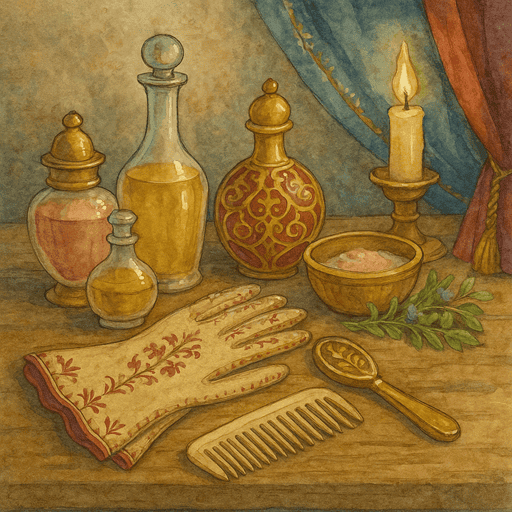
Bathing could be indulgent and social. Nobles sometimes drank wine, conversed with companions, or listened to music while bathing, blurring the line between cleanliness and leisure. In an era without running water, this ritual represented both opulence and a display of control over one’s environment.
The Role of Personal Servants
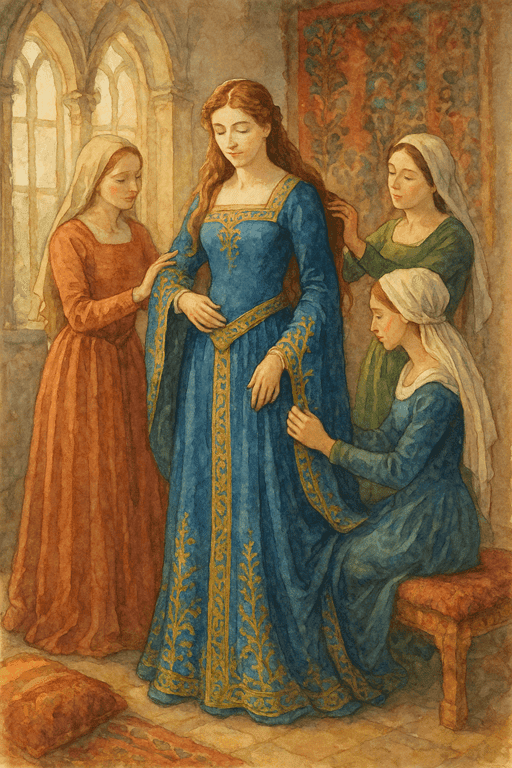
Behind every act of noble comfort stood a network of attendants. A lord or lady rarely managed their own bedding, bathing, or clothing. Their comfort was choreographed by trusted servants, whose presence made even private acts public in their own way.
- Chamberlains and valets: These high-ranking servants oversaw the lord’s private chambers, managing the bedchamber, garderobe, and wardrobe. They were trusted figures who often had access to confidential moments and sensitive information.
- Ladies-in-waiting and maids: For noblewomen, a group of attendants helped with dressing, combing hair, or preparing baths. These rituals were as much about social hierarchy as they were about assistance—servants reinforced the noble lady’s status by performing intimate tasks she would never do herself.
- Privacy vs. dependence: Although nobles enjoyed greater privacy than servants, they were rarely alone. Daily rituals of bathing, dressing, or even going to bed involved attendants. Privacy as we think of it today was almost unknown, but nobles accepted dependence on servants as part of their elevated role.

The reliance on servants highlighted a paradox: nobles were too important to handle basic tasks themselves, yet this dependence made their private lives more exposed than those of ordinary people.
Final Thoughts
In the medieval castle, privacy and comfort were carefully orchestrated affairs. Beds with rich mattresses and warming pans offered rest, garderobes provided relative sanitation, and baths with perfumes transformed hygiene into ritual. Yet all of these comforts depended on the labor of servants, whose work maintained the illusion of noble ease.
For royalty and the nobility, managing the body was not just about health or comfort—it was about projecting status, displaying refinement, and reinforcing authority. Within the cold stone walls of castles, warmth, fragrance, and privacy were luxuries that separated the noble elite from the rest of society. To sleep in down-stuffed beds, to perfume the body after a bath, or to use a private garderobe was not merely convenience—it was the lived expression of power.