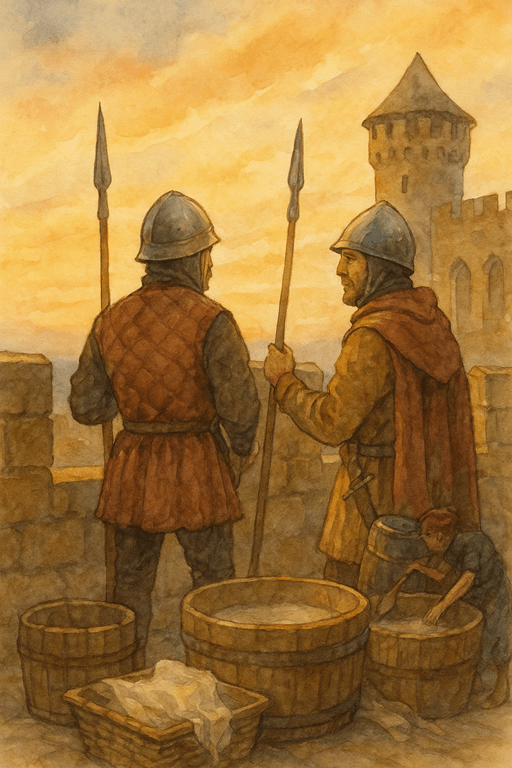
Medieval Hygiene: The Reality of Life in Castles
When people think of medieval times, they often picture dirty peasants, chamber pots, and castles filled with unpleasant odors. It’s a common stereotype, reinforced by movies and pop culture—but how accurate is it?
The reality of hygiene in medieval Europe, especially in castles, is far more interesting. While they lacked modern conveniences, medieval people weren’t indifferent to cleanliness. In castles, where space, labor, and resources were more abundant than in a peasant village, maintaining hygiene was a very real part of daily life. Their methods may seem strange to us today, but they were rooted in practicality, tradition, and spiritual belief.
Let’s take a closer look at what hygiene really meant for those living behind castle walls.
Bathing in the Middle Ages

Despite the popular belief that medieval people never bathed, written records, artwork, and even surviving bathhouses tell a different story—particularly among the upper classes.
In castles, nobles often bathed in large wooden tubs, which servants would fill with buckets of hot water heated in the kitchen or over fireplaces. Bathing wasn’t a daily ritual, but it was regular, especially for the wealthy. Some nobles bathed weekly or even more often during warmer seasons.
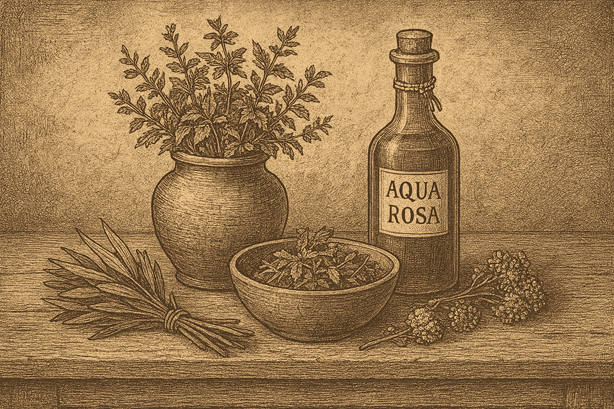
Baths were frequently enhanced with herbal infusions. Lavender, chamomile, mint, sage, or rosemary were added to the water for fragrance and supposed health benefits. Rose water—considered luxurious—was also used for skin care and perfume.
In southern Europe, especially in regions formerly part of the Roman Empire like Italy and southern France, public bathhouses survived into the early medieval period. These communal spaces were frequented by both men and women (often in separate hours or areas) and served as places for socializing, relaxing, and even conducting business.
However, after the 14th century, the rise of fears about disease—especially during and after the Black Death—led to a decline in public bathing. Some people began to believe that water opened the pores and made the body more vulnerable to illness.
Fun Fact: King Louis IX of France (St. Louis) was said to bathe only twice a year, while his contemporaries may have done so far more frequently. Hygiene habits varied greatly by individual and region.
Toilets, Garderobes, and Waste Disposal
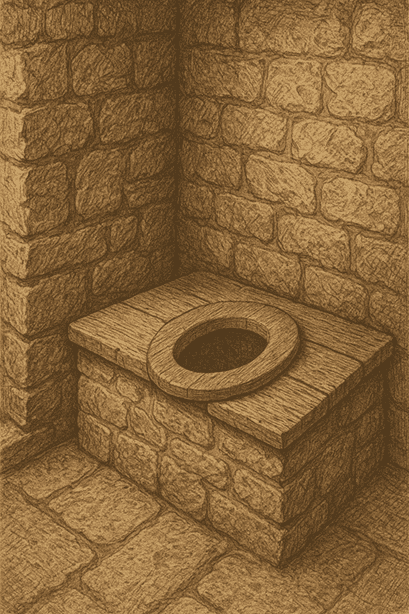
The typical castle toilet was known as a garderobe—a small room built into the castle wall, often hanging over a chute or shaft. Waste dropped directly into pits, moats, or even the base of the wall, depending on the castle’s design. Ventilation was minimal, but many garderobes were placed strategically to allow airflow.
Interestingly, some nobles stored clothing in garderobes because it was believed that the ammonia from human waste repelled lice and fleas—hence the name garderobe, which means “wardrobe” in French. While the smell was undoubtedly strong, castles did employ waste management systems. Some castles used cesspits that required manual cleaning (a job left to the unfortunate “gong farmers”), while others let waste fall into flowing water for natural removal. Of course, this wasn’t always hygienic—some castle moats doubled as sewers, creating a rather unpleasant aroma.
As for toilet paper—it didn’t exist. People used what was available: moss, straw, hay, or bits of wool cloth. Comfort was not a top priority, but practicality certainly was.
Water Supply and Cleanliness

Water access was essential for any castle. Many had their own wells or collected rainwater in cisterns and barrels. Some were even built near natural springs or had water channels piped in from nearby sources. This water was used for cooking, washing, and sometimes bathing, although its cleanliness varied.
Due to frequent contamination of water sources, especially in towns, beer or ale was a safer and more common drink than water. Even children drank weak ale as a daily staple. However, handwashing was encouraged, especially before meals or religious observances, and servants often brought bowls of water for guests to cleanse their hands before eating. Some households even had decorative ewers and basins for this purpose, particularly in wealthier homes.
Dental and Personal Care
Medieval dental care was rudimentary but existed. People cleaned their teeth using chewing sticks, linen cloths, or abrasive powders made from:
- Salt
- Sage
- Charcoal
- Ash
- Crushed mint or rosemary
While they didn’t understand plaque or tooth decay as we do, they disliked bad breath and tried to keep their mouths clean.
Hair care was surprisingly well-developed. Noblewomen often wore their hair in elaborate styles, requiring combs, pins, oils, and sometimes wigs. Men also styled their beards and hair, particularly at court.

Soap, made from animal fat and lye, was used for washing both skin and clothing. It wasn’t gentle, but it got the job done.
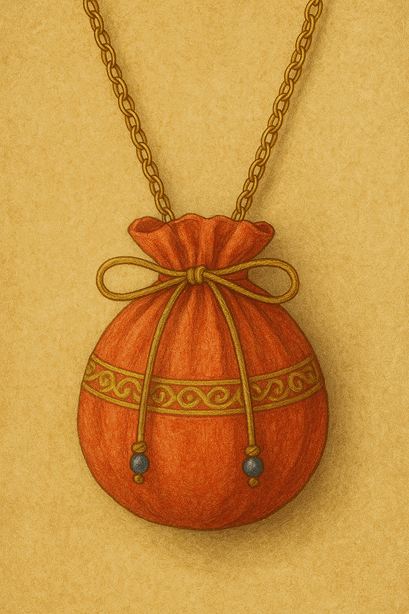
Body odor was addressed through perfumed ointments, rose water, and pomanders (scented balls of herbs carried in pouches or worn around the neck). These helped mask natural smells—especially when bathing wasn’t immediately possible.
Nails were trimmed, facial hair was shaped, and plucking eyebrows or forehead hair (considered fashionable at times) was not uncommon. Grooming mattered, particularly in courtly settings.
Clothing and Linen Hygiene
While medieval people didn’t always wash their bodies often, they placed great importance on clean clothing—especially linen undergarments.
The idea was that clean linen could absorb and remove bodily impurities. Nobles typically wore a fine linen shirt or shift next to the skin, changing it frequently. These garments were relatively easy to wash and helped protect expensive outer clothing from sweat and body oils.
Laundry was hard work. Washing involved boiling water, lye soap, scrubbing, and beating clothes against rocks or with paddles. In castles, teams of washerwomen would handle this task in dedicated laundry areas or near rivers.
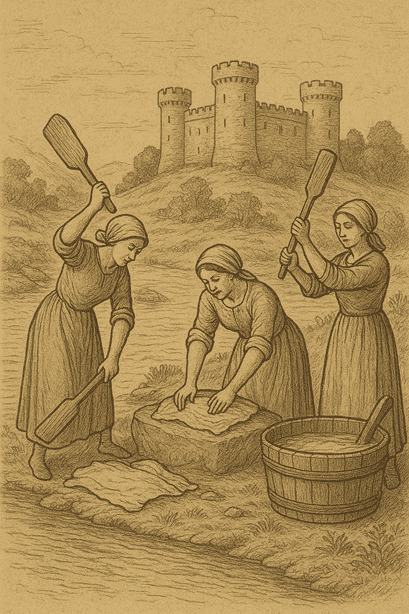
Even during winter, changing linen underclothes regularly was expected among the wealthy—an act that was considered both hygienic and modest.
Disease and Medieval Ideas of Cleanliness

Cleanliness in the Middle Ages wasn’t just about looking or smelling nice—it was deeply tied to religion and health beliefs.
The Church encouraged purity of both body and soul. Bathing before religious festivals or in preparation for confession was common. In monasteries, daily washing of hands and faces was part of the monastic routine.

However, medical understanding was limited. Most physicians adhered to the theory of the four humors—blood, phlegm, black bile, and yellow bile. Illness, they believed, stemmed from an imbalance in these elements.
By the 14th century, the Black Death reshaped European thinking about hygiene. Some believed that too much bathing made the body vulnerable by opening the pores. Others turned to cleanliness as a defense, wearing perfumed masks and fumigating homes with burning herbs.
These shifts led to fluctuating hygiene habits in different parts of Europe throughout the late Middle Ages.
Debunking the “Filthy Medieval” Myth

The idea that medieval people were filthy and smelly all the time is largely inaccurate—especially when it comes to castle dwellers. Some common myths debunked:
- Myth: People never bathed.
Reality: Bathing was common among nobles, especially before the 14th century. - Myth: Castles were full of waste and unbearable smells.
Reality: Waste management systems existed, including garderobes, chutes, and cesspits. - Myth: No one cared about appearance or grooming.
Reality: Grooming was highly valued, especially in courtly environments. - Myth: Water was never used.
Reality: Wells, cisterns, and even piped systems were integral to castle design.
The image of the dirty, smelly medieval person is mostly a myth. While hygiene standards differed greatly from our own, people in castles—especially nobles—were far from indifferent to cleanliness. Their methods may seem strange now, but they were logical within the context of their world.
It’s also worth noting that hygiene varied greatly depending on location, climate, and class. A noblewoman in a French château likely had better access to bathing water than a servant in a Scottish fortress. Just like today, resources and knowledge shaped hygiene habits.
Final Thoughts

Medieval hygiene was not primitive—it was different. Castle life demanded creative solutions to everyday problems, including how to stay clean in a stone fortress without plumbing. From rose-scented baths to moss-wiping garderobes, castle residents combined practicality with luxury in their pursuit of cleanliness.
These habits, while far removed from our modern expectations, reflect a culture that cared about health, comfort, and dignity—within the boundaries of its time.
So next time you wander through a medieval castle, take a moment to notice the garderobe tower or the stone-lined basin tucked in a hallway. These weren’t afterthoughts. They were part of a complex, living world—one where hygiene, however different, still mattered.