When Things Went Wrong: Death, Divorce, and Discord in the Medieval Castle
Life in a medieval castle might conjure images of feasts, tournaments, and glittering gowns, but reality was not always harmonious. Lords and ladies lived in a world shaped by duty, power, and fragile alliances. And when things went wrong—when a lord died, when a marriage collapsed, or when quarrels turned bitter—the entire household felt the consequences. Castles were not just homes; they were the nerve centers of estates and symbols of dynasties. A crisis in the lord’s chamber could ripple across villages, armies, and even kingdoms.
When the Lord Died
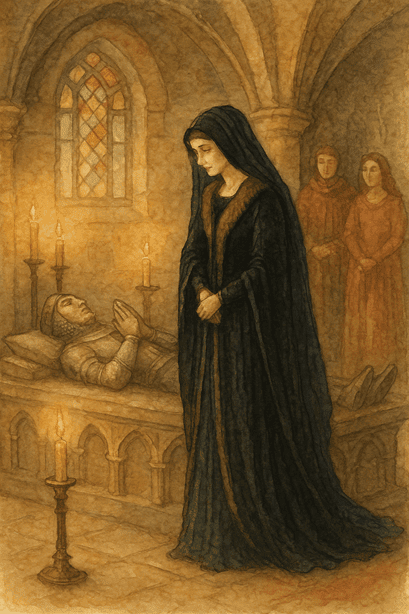
The death of a lord was more than personal grief—it was a political earthquake. The survival of the estate depended on a smooth transfer of authority.
- Inheritance: If the lord left a grown son, succession was straightforward: the son became the new lord. The funeral and inheritance ceremony doubled as a public reminder that the lineage remained secure.
- Minor heirs: If the heir was too young, the lady often became regent. She managed the estate, commanded loyalty from vassals, and sometimes even directed military defense until her son reached adulthood. This gave noblewomen temporary but significant authority.
- Widow’s dower: By law, widows were entitled to their dower lands—property and income set aside for their support. This prevented them from being destitute, though in practice much depended on the goodwill (or ambition) of relatives.
- Remarriage pressures: A young widow, especially one with valuable lands, rarely remained single for long. Families, kings, or even the Church might pressure her into a new marriage to secure alliances. For some women, this meant new opportunities; for others, a loss of independence.
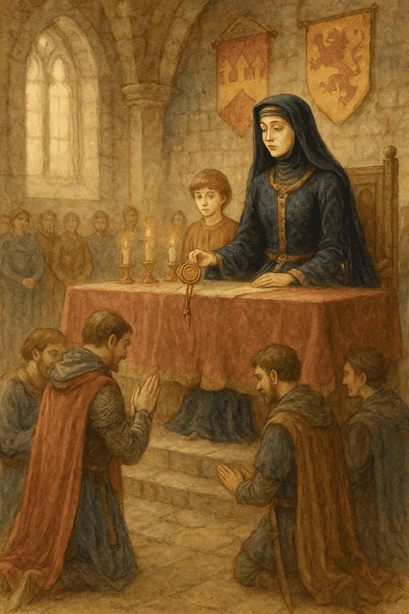
Famous example: Eleanor of Aquitaine inherited vast lands upon her first husband’s death. Instead of fading into the background, she married Henry II of England and became one of the most powerful women in Europe.
When Couples Divorced or Separated
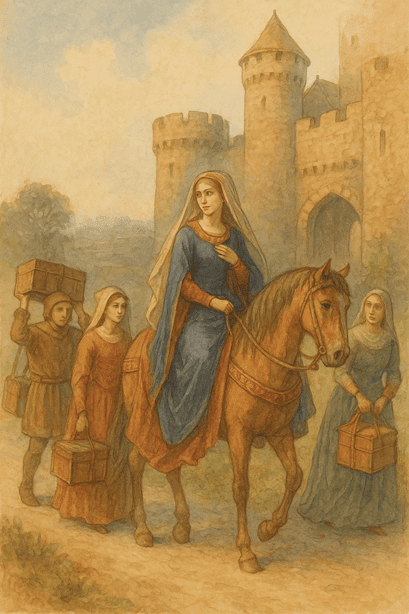
In an age when marriage was considered a holy sacrament, true divorce was almost impossible. Still, cracks in noble unions did occur, and the Church developed mechanisms to deal with them.
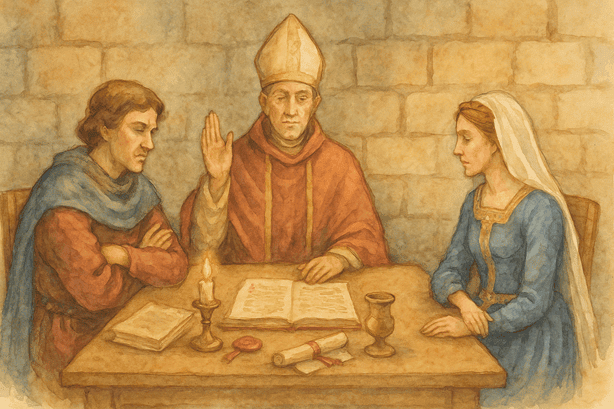
- Annulments: Unlike divorce, an annulment declared the marriage invalid from the start. Reasons included lack of consummation, consanguinity (being too closely related, which was surprisingly common), or coercion at the time of marriage. Annulments were rare and often involved political maneuvering.
- Separations: The Church sometimes granted separations from bed and board in cases of cruelty, abandonment, or serious marital conflict. The couple remained legally married but lived apart. The wife might return to her family or take refuge in a convent.
- Social consequences: Divorce or annulment was not just a private matter. It disrupted alliances, property rights, and dynastic plans. For noble families, it could alter the balance of power across entire regions.
Famous example: In the 12th century, Eleanor of Aquitaine’s marriage to Louis VII of France was annulled on grounds of consanguinity after years of conflict and lack of a male heir. Days later, she married Henry II of England, reshaping European politics.
When the Lord and Lady Fought

Even when marriages held, they were not always harmonious. Noble couples, like any others, could quarrel—sometimes privately, sometimes with consequences that spilled into public life.
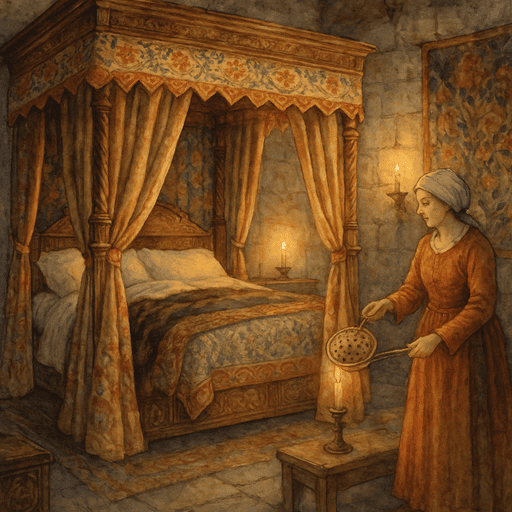
- Private disputes: Arguments might center on finances, management of lands, or the upbringing of children. Separate living spaces—the solar for the lady, the hall or council chamber for the lord—gave room for distance.
- Public discord: Open fights damaged reputation. Nobility were expected to maintain dignity and unity, especially in front of vassals or guests. A feuding couple could appear weak, encouraging rivals to exploit divisions.
- Mediation: Families, Church officials, or even the king could intervene to mediate disputes. Because marriages were political contracts as much as personal unions, reconciliation was often enforced for the sake of stability.
- Violence: Domestic violence, though tragic, was not uncommon. Noblewomen had more legal recourse than peasant women, especially if their families were influential, but protections were uneven.
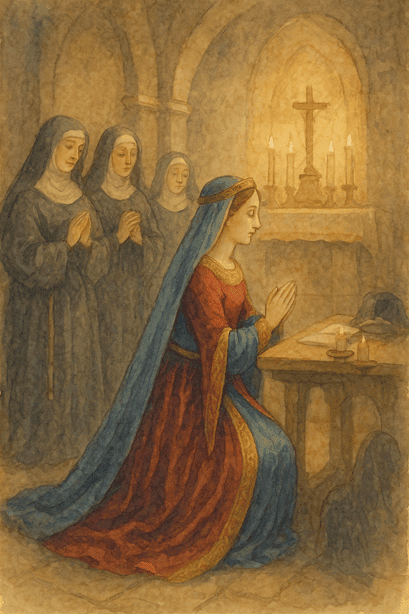
Some chronicles note noblewomen retreating to convents temporarily during marital strife, a socially acceptable way to escape conflict while maintaining honor.
The Lady’s Position in Times of Crisis
For a noblewoman, moments of death, divorce, or discord were both dangerous and potentially empowering. Her fate depended on her family’s strength, her husband’s will, and her own resourcefulness. Some women found themselves sidelined or remarried against their will. Others, however, used widowhood or separation as opportunities to exercise unusual independence—managing lands, forging new alliances, or even influencing politics.
Final Thoughts
Life in a medieval castle was never without risk. Death could change everything overnight, marriage could unravel under pressure, and private quarrels could ripple into public crises. Yet these moments of instability also reveal just how central the lady of the castle was to medieval society. Whether mourning a husband, navigating an annulment, or maintaining dignity during disputes, she stood at the intersection of family, estate, and power.
Far from being merely a background figure, the lady of the castle often became most visible when things went wrong—proving that her influence extended far beyond embroidery hoops and solar chambers.