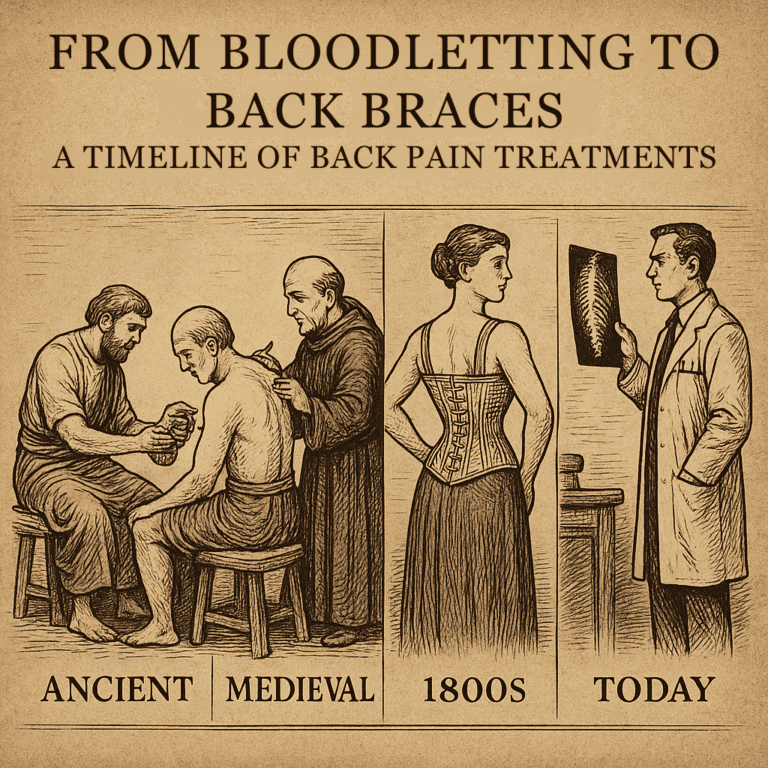
Ancient Ways to Relieve Back Pain: Greeks, Romans & Egyptians
Lately, as I’ve been dealing with some pesky back pain myself, I became curious—how did people in ancient times manage this all-too-human discomfort? It turns out, long before chiropractors and pain clinics, ancient civilizations like the Egyptians, Greeks, and Romans developed remarkably sophisticated methods to address back pain. These ranged from herbal poultices to early surgeries, and even divine healing rituals. This post takes us back to the origins of medicine, where the lines between science, magic, and philosophy were often blurred.
Egypt: Sacred Healing and Natural Remedies

Ancient Egyptian medicine was deeply intertwined with spirituality and ritual—but it also included practical treatments backed by centuries of observation.
- Papyrus Prescriptions: Medical papyri like the Ebers Papyrus (c. 1550 BCE) describe treatments for various ailments, including “ailments of the spine.” Remedies often included herbal compresses made with frankincense, myrrh, honey, and juniper, applied to painful areas.
- Massage and Manipulation: Egyptian physicians, often also priests, used massage techniques to relieve musculoskeletal pain. These methods were likely learned through centuries of trial and error.
- Amulets and Magic: Healing spells were spoken aloud during treatment, and patients often wore amulets invoking the protection of gods like Heka (god of medicine and magic). Pain wasn’t just physical—it was believed to be a sign of spiritual imbalance or demonic interference.
Egyptian medicine combined sacred ritual with surprisingly effective herbal and physical therapies—laying the groundwork for later systems.
Greece: The Birth of Rational Medicine
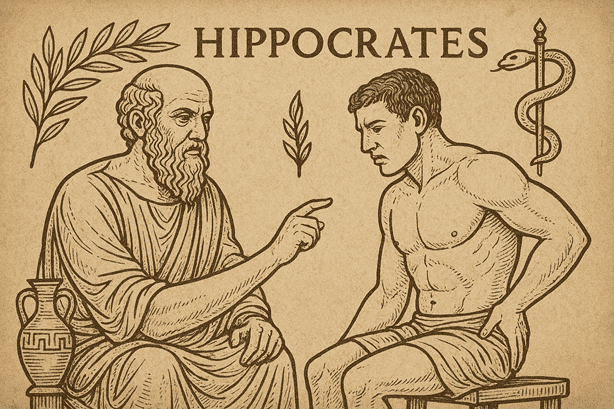
Ancient Greece marks a pivotal shift in medical thinking. While religious healing still played a role, thinkers like Hippocrates and Galen began shaping medicine into a rational science.
Hippocrates (c. 460–370 BCE): Father of Medicine
- The Humors: Hippocrates believed the body was governed by four humors—blood, phlegm, yellow bile, and black bile. Back pain, like any ailment, was seen as an imbalance of these humors.
- Therapies: Treatment involved dietary regulation, baths, exercise, and topical treatments made from herbs like willow bark (a natural source of salicin, similar to aspirin).
- Spinal Traction: He described techniques resembling spinal traction using wooden boards and weights—a primitive but insightful attempt to address spinal alignment.
Temples of Asclepius
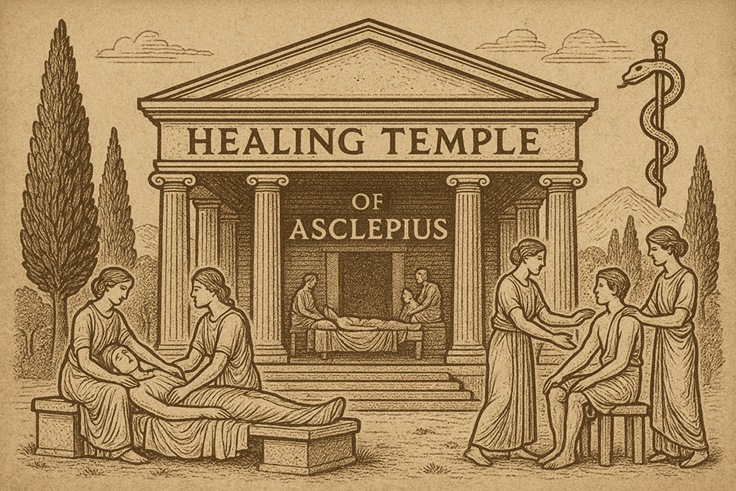
Despite the rise of rational medicine, healing temples dedicated to Asclepius, the god of medicine, continued to thrive. Patients would sleep overnight in these sanctuaries hoping for healing visions. Offerings and sacred rituals were common components of the experience.
Hippocratic medicine emphasized balance, observation, and natural remedies, yet still coexisted with spiritual traditions.
Rome: Practical Medicine for a Vast Empire
The Romans inherited much of their medical knowledge from the Greeks, but adapted it to their own pragmatic worldview. Under the empire, medicine became more structured, with physicians serving both elite households and military units.
Galen (c. 129–216 CE): Physician to Emperors
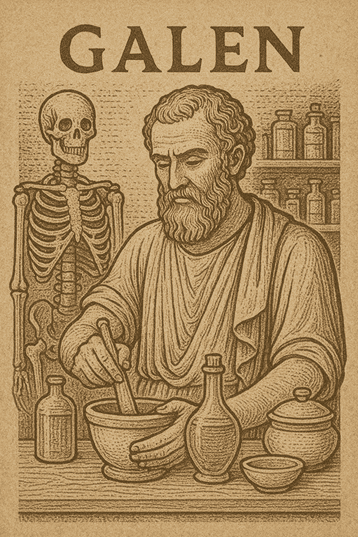
- Galen expanded on Hippocrates’ humoral theory and conducted dissections and experiments (on animals, mostly), laying the foundation for anatomy for centuries.
- He developed a vast pharmacopoeia, with many remedies specifically for joint pain, inflammation, and numbness—likely including what we now call back pain.
- Galen believed pain could stem from the spine, nerves, or even organs—an advanced concept for his time.
Roman Treatments for Back Pain
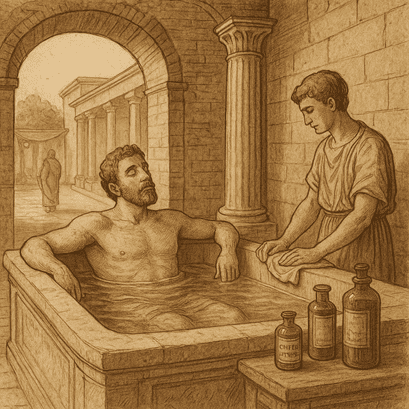
- Baths and Hydrotherapy: Public baths (thermae) offered not only hygiene and relaxation but therapeutic warm-water immersion to soothe sore muscles.
- Cupping and Scraping: Techniques like cupping and strigil scraping were used to increase circulation and reduce pain.
- Military Medicine: Roman army medics (medici) treated injured soldiers using surgical tools and salves. Many battlefield wounds involved the spine or back.
Roman medicine emphasized function and relief, combining Greek theory with real-world application in homes, temples, and battlefields alike.
Final Thoughts: Ancient Wisdom, Lasting Impact
While their approaches varied, the Egyptians, Greeks, and Romans all recognized back pain as a significant issue—and developed ways to cope with it. Their remedies may have lacked today’s clinical precision, but many of their principles endure: the importance of posture, the therapeutic value of heat and herbs, and the connection between mind, body, and healing.
Even today, we owe a surprising debt to these ancient physicians, priests, and thinkers who first tried to ease the universal ache in our backs.