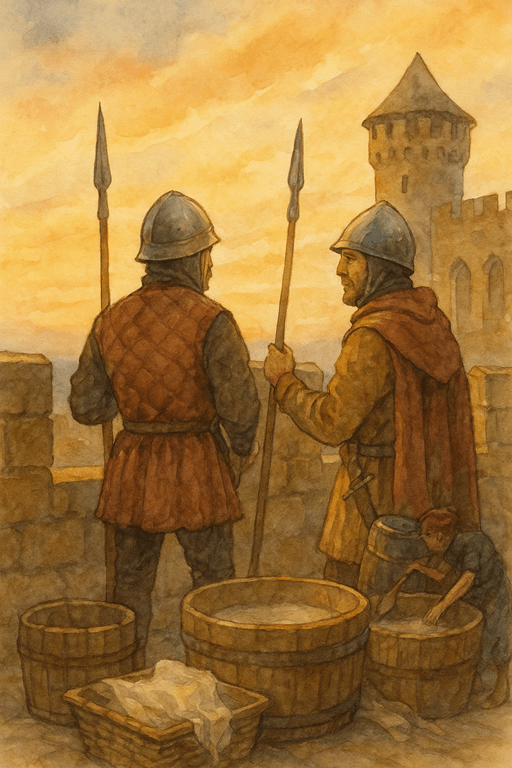
Messengers and Heralds: Voices of the Medieval Castle
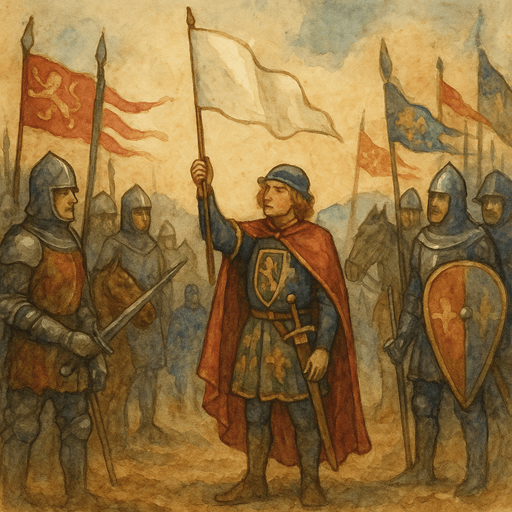
In a world without telephones, newspapers, or email, the lifeblood of communication flowed through the men who carried words, seals, and proclamations across kingdoms. Messengers and heralds were the voices of the castle—swift riders who braved perilous roads to deliver news, and official announcers who carried the authority of their lord to tournaments, battles, or foreign courts. Their work was vital: armies could not be mustered, marriages could not be arranged, and peace could not be negotiated without these men who risked their lives to ensure that messages arrived safely and words carried weight.
While often overlooked in the shadow of knights and nobles, messengers and heralds reveal how important communication was to the machinery of medieval life. Their duties combined courage, loyalty, and ceremonial importance, making them indispensable figures in the political and cultural world of castles.
Travel on Horseback
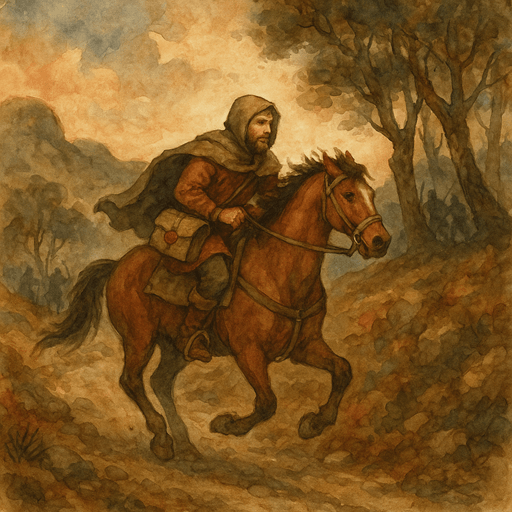
The heart of a messenger’s work was the road. Traveling on horseback, often alone, they crossed great distances to deliver letters, orders, or treaties. Unlike knights, messengers did not ride into battle with shining armor but faced dangers that were equally life-threatening. Roads were treacherous, plagued with bandits, rough terrain, and unpredictable weather. A journey from one castle to another could take days or even weeks, and in that time the messenger had to protect not only himself but the documents he carried.
Carrying a sealed letter meant carrying power. A message from a king or lord could command armies or demand oaths of loyalty, so the speed and safety of delivery was critical. Because of this, horses were carefully chosen, bred for endurance rather than glamour. The messenger’s pace was relentless: riding from dawn until dusk, changing mounts when possible, and stopping only briefly for rest.
- Dangers on the road: Bandits, wild animals, and enemy patrols posed constant threats. Many messengers carried daggers, but their greatest defense was speed and discretion.
- Horses for endurance: Strong, sure-footed horses were prized. A messenger might use several along a single route, stopping at prearranged stations.
- Weather and terrain: Rain-soaked roads, swollen rivers, or winter snow slowed journeys and increased risk.
- Urgency of messages: Some letters were military orders that could change the outcome of a battle, while others carried diplomatic treaties, ransom terms, or secret instructions.
The sight of a weary rider galloping into the courtyard, dust-covered and breathless, was often the first signal of important news—whether joyous or catastrophic.
Seals and Safe Passage

In an age of limited literacy and constant danger, the messenger’s greatest protection lay not in his sword, but in the seal he carried. A wax seal impressed with the unique mark of a lord or monarch served as both authentication of the message and a badge of authority. It guaranteed that the words written were genuine, and that the bearer had been entrusted to deliver them. Breaking or forging such seals was a crime punishable by death, for it struck at the very heart of medieval trust and governance.
Safe passage, too, was essential. Messengers often carried documents called “safe-conducts,” which promised them protection while traveling through the lands of allies—or even enemy territory during negotiations. These papers could mean the difference between being honored as a diplomatic courier or hanged as a spy. Not all safe-conducts were respected, however, and the risk of betrayal always lingered.
- Seals as signatures: Wax seals, often red or green, bore the emblem of the sender’s authority. Some were so distinctive they could be recognized across Europe.
- Double security: Letters were often folded, tied with cord, and sealed multiple times to prevent tampering.
- Safe-conducts: Documents granted safe travel across foreign or hostile lands. These might be respected by allies but ignored by enemies.
- High stakes: Attacking or killing a messenger carrying a safe-conduct was not only a crime but could be considered an act of war.
- Symbol of trust: To hand a seal to a messenger was to entrust him with the very honor of his lord.
The reliance on seals and written authority highlights the fragile balance of trust in medieval politics. A small piece of parchment could be more powerful than a sword.
Heralds in Tournaments
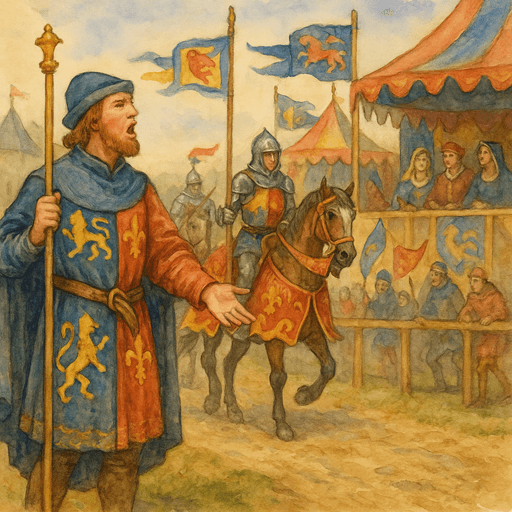
While messengers carried words across dangerous roads, heralds brought ceremony, order, and spectacle to the public stage. Heralds were not only announcers but guardians of chivalric tradition. At tournaments, they proclaimed the names of knights, displayed their coats of arms, and ensured the rules of combat were followed. Their voices carried authority, and their presence lent dignity to events that were both dangerous contests and theatrical displays of noble identity.
Heralds were highly trained in heraldry—the complex system of coats of arms that distinguished noble families. Their knowledge made them living archives, capable of identifying knights by their colors, shields, and banners. This expertise was critical, not only in tournaments but also on the battlefield, where recognizing friend from foe could determine life or death.
- Ceremonial role: Heralds announced the names of knights, introduced jousts, and declared victors. Without them, tournaments would lack order and spectacle.
- Knowledge of heraldry: Heralds memorized coats of arms, colors, and symbols. They were consulted in disputes over lineage or noble claims.
- Mediators of honor: Heralds judged questions of chivalry, recorded deeds of valor, and ensured knights were properly recognized.
- Battlefield role: Beyond tournaments, heralds could negotiate truces or carry messages under flags of truce, their status granting them a degree of protection.
- Cultural guardians: Their presence upheld noble ideals of honor, order, and tradition, reminding everyone that tournaments were more than sport—they were rituals of identity.
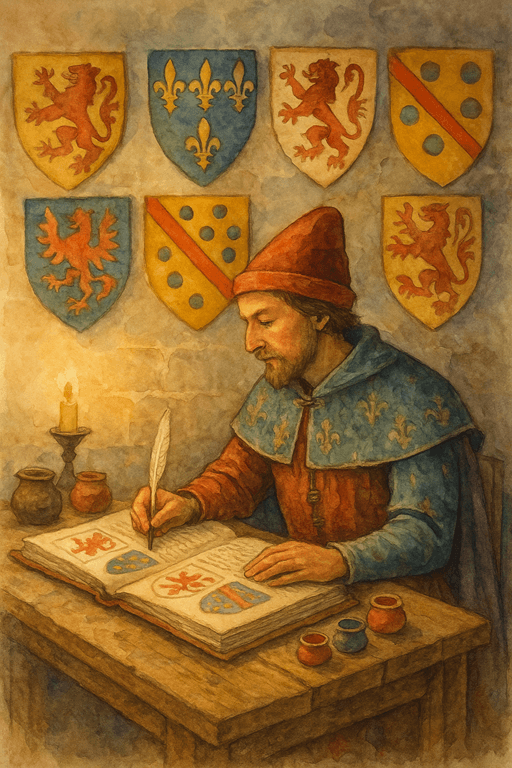
Heralds combined ritual with authority. They represented the values of nobility—honor, order, and display—reminding all who attended that tournaments were not mere games but sacred affirmations of status and tradition.
Final Thoughts
Messengers and heralds formed the communication network of the medieval world. Messengers brought orders, news, and treaties across perilous distances, while heralds gave voice to authority in public ceremonies and martial contests. One embodied the dangers of the road, the other the grandeur of ritual.
Together, they carried not just words but power—the power to summon armies, declare victories, forge alliances, or preserve the honor of a family name. Their presence reminds us that castles were not silent fortresses but places alive with messages, proclamations, and announcements, where every word could carry the weight of life, death, or eternal fame.